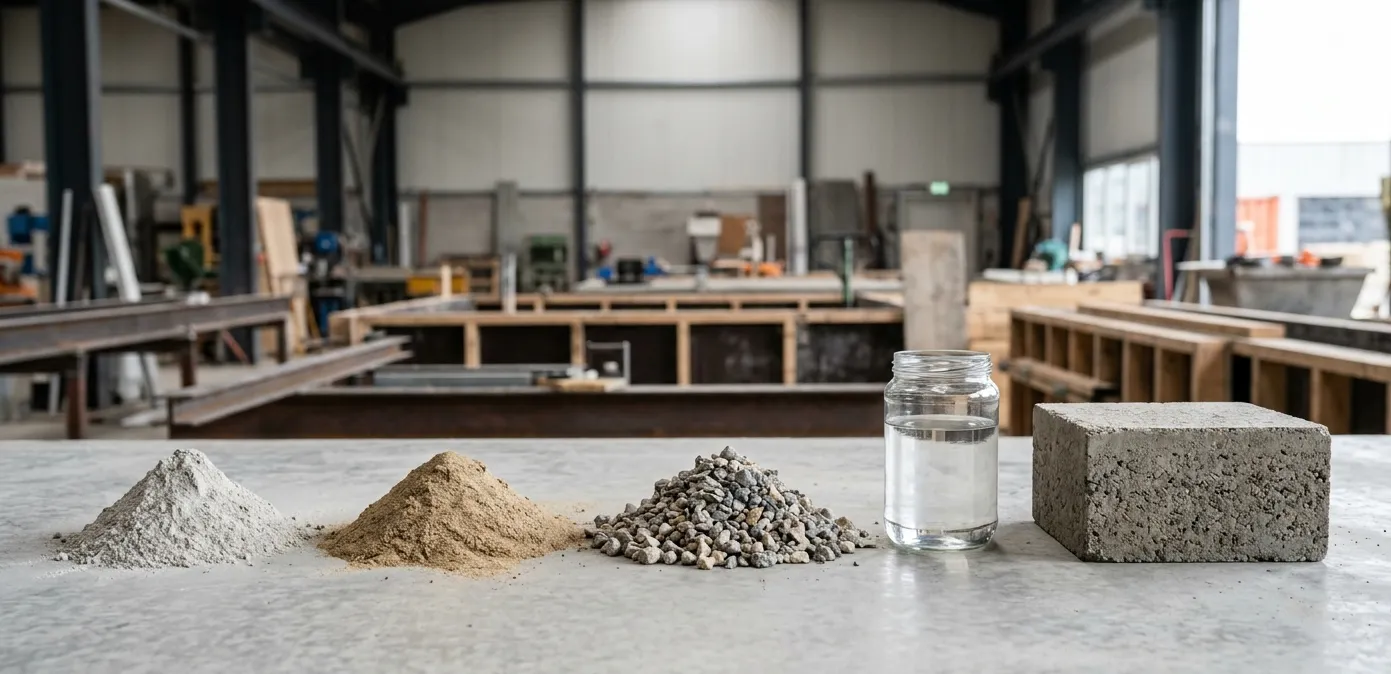
If you’ve ever stood in the aisle of a home improvement store staring at stacks of concrete mix bags, you’ve probably asked yourself: “How many bags of concrete do I need?” Guessing the answer might seem harmless, but in reality, it can cost you money, time, and frustration. Buy too few bags, and you’ll be rushing back to the store mid-project. Buy too many, and you’ve wasted cash and storage space.
This guide is here to save you from that headache. We’ll walk through the formulas, charts, and real-world examples that make concrete calculations simple. You’ll learn how to use a concrete calculator, understand concrete coverage per bag, and even apply a concrete slab calculator for bigger projects.
Whether you’re a DIYer pouring a patio, a homeowner setting fence posts, or a contractor planning a driveway, this guide is for you. And if you want a digital resource to make the math painless, Concrete Verse has you covered.
How Many Bags of Concrete Do I Need for My Project?
The number of bags depends on three main factors:
- Area size: The length and width of the space you’re filling.
- Thickness: How deep the concrete needs to be for strength.
- Bag weight: Concrete mix comes in 40 lb, 50 lb, 60 lb, and 80 lb bags, each covering different volumes.
Quick logic: Bigger area + thicker slab = more concrete. Heavier bags = fewer bags needed.
How Do You Calculate How Many Bags of Concrete You Need?
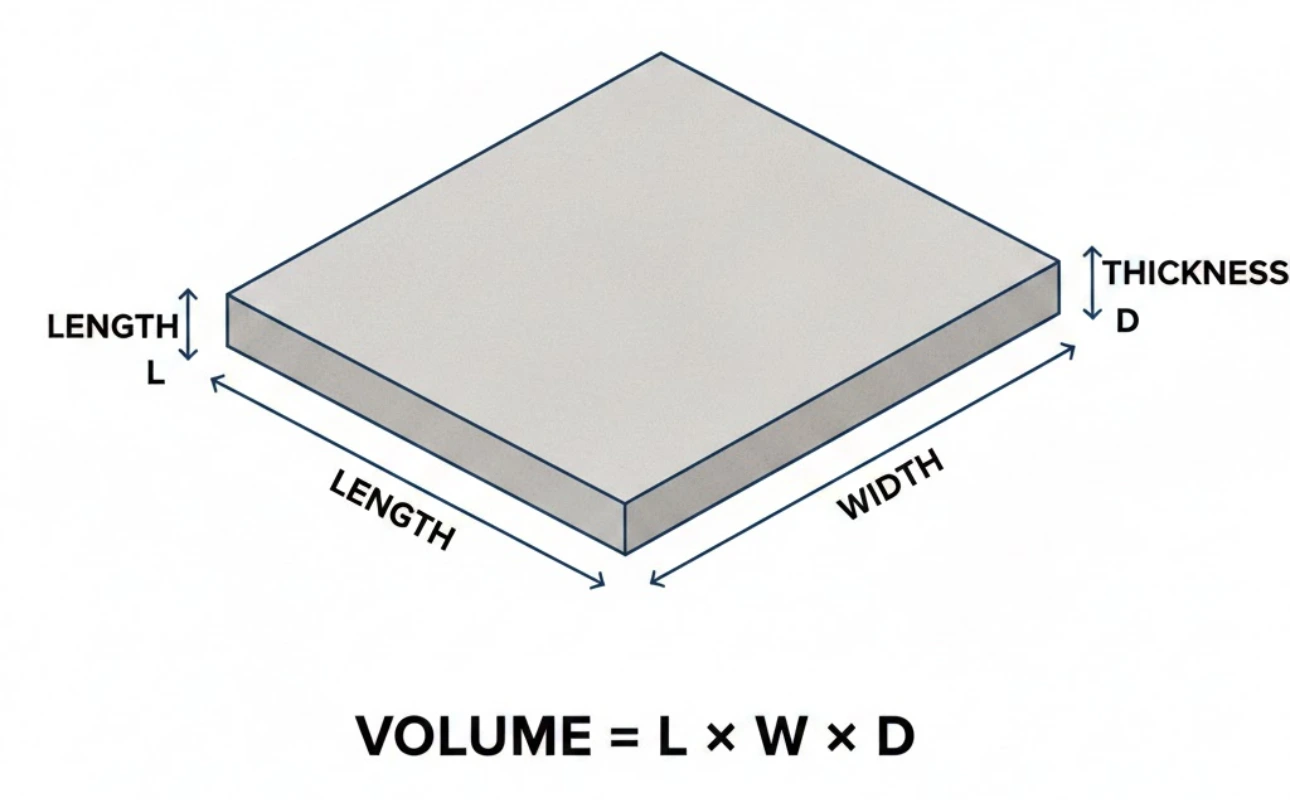
The basic formula is:
Volume=Length×Width×Thickness\text{Volume} = \text{Length} \times \text{Width} \times \text{Thickness}
- Measure in feet.
- Multiply to get cubic feet.
- Convert cubic feet to cubic yards (since concrete is sold by the yard in bulk).
1 cubic yard=27 cubic feet1 \text{ cubic yard} = 27 \text{ cubic feet}
Doing this math before buying ensures you don’t overspend or underbuy.
How Many Bags of Concrete Do I Need Per Cubic Foot?
Each bag yields a certain amount:
- 40 lb bag → ~0.30 cubic feet
- 50 lb bag → ~0.37 cubic feet
- 60 lb bag → ~0.45 cubic feet
- 80 lb bag → ~0.60 cubic feet
So if you need 5 cubic feet, divide by the yield of the bag size you’re buying.
How Many Bags of Concrete Do I Need Per Cubic Yard?
Here’s the industry standard breakdown:
| Bag Size | Bags per Cubic Yard | Coverage |
| 40 lb | 90 bags | 27 cu ft |
| 50 lb | 72 bags | 27 cu ft |
| 60 lb | 60 bags | 27 cu ft |
| 80 lb | 45 bags | 27 cu ft |
How Many 40 lb Bags of Concrete Do I Need?
- Coverage: ~0.30 cubic feet per bag.
- Best for: Small repairs, fence posts, or projects where lifting heavy bags isn’t practical.
How Many 50 lb Bags of Concrete Do I Need?
- Coverage: ~0.37 cubic feet per bag.
- DIY suitability: Easier to handle than 60 or 80 lb bags, but still efficient for medium projects.
How Many 60 lb Bags of Concrete Do I Need?
- Coverage: ~0.45 cubic feet per bag.
- Balance: Popular choice because it balances cost and labor. Not too heavy, not too small.
How Many 80 lb Bags of Concrete Do I Need?
- Coverage: ~0.60 cubic feet per bag.
- Pros: Fewer bags needed.
- Cons: Heavy to lift, harder for solo DIYers.
How Many Bags of Concrete Do I Need for a Concrete Slab?
Typical slab thicknesses:
- Sidewalks: 4 inches
- Patios: 4–6 inches
- Driveways: 6–8 inches
Example: A 10×10 patio at 4 inches thick = 33 cubic feet = ~1.2 cubic yards. That’s about 60 bags of 60 lb mix.
How Many Bags of Concrete Do I Need for a 10×10 Slab?
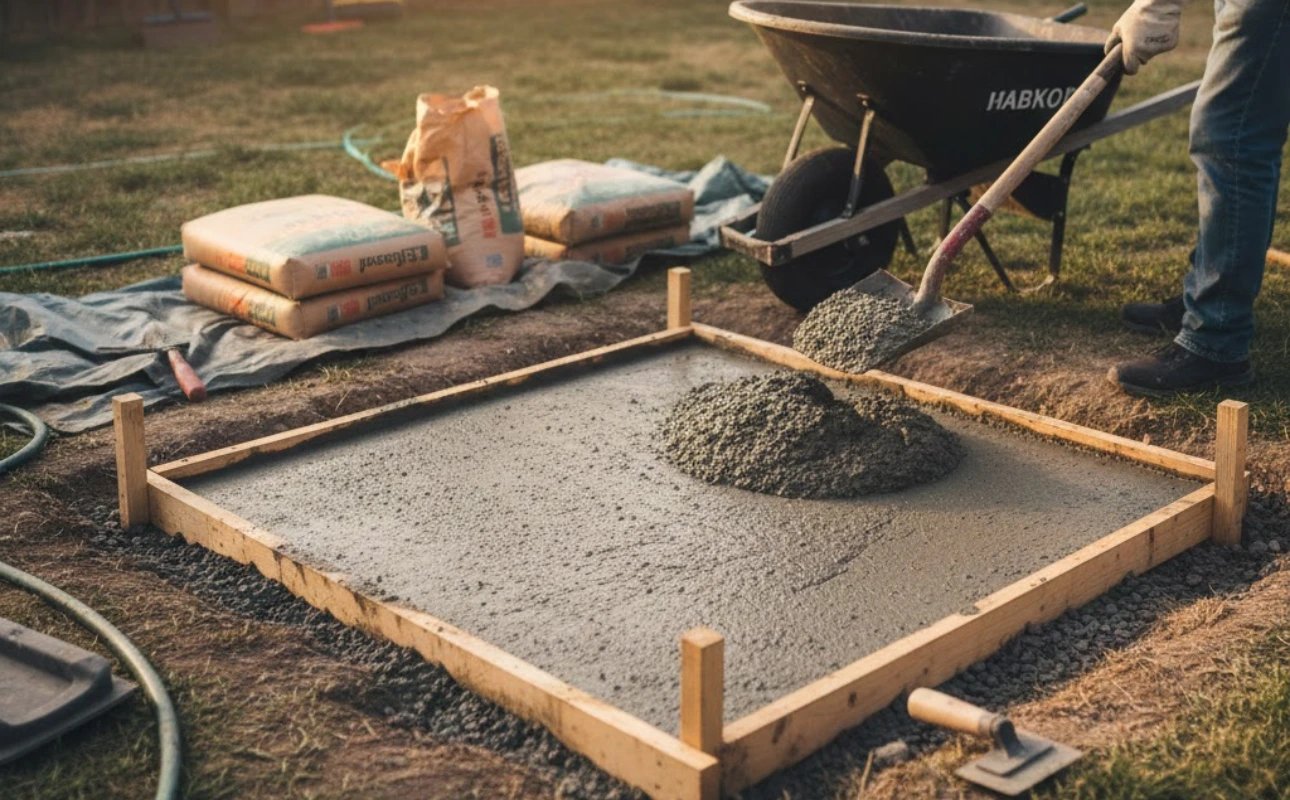
Step-by-step:
- 10 ft × 10 ft × 0.33 ft (4 inches) = 33 cubic feet.
- Divide by bag yield:
- 40 lb → 110 bags
- 50 lb → 90 bags
- 60 lb → 73 bags
- 80 lb → 55 bags
How Many Bags of Concrete Do I Need for a Driveway?
Driveways need more thickness (6–8 inches). For a 20×20 driveway at 6 inches:
- 20 × 20 × 0.5 = 200 cubic feet = 7.4 cubic yards.
- That’s 444 bags of 60 lb mix. At this scale, ready-mix concrete is usually smarter.
How Many Bags of Concrete Do I Need for Fence Posts?
Rule of thumb: A 12-inch diameter hole, 3 feet deep, takes about 3 bags of 60 lb mix. Multiply by the number of posts.
How Many Bags of Concrete Do I Need for Footings and Foundations?
Structural projects often require large volumes. Bagged concrete can work for small footings, but for full foundations, ready-mix is more efficient.
How Much Area Does One Bag of Concrete Cover?
At 4-inch thickness:
- 40 lb bag → ~0.75 sq ft
- 50 lb bag → ~0.9 sq ft
- 60 lb bag → ~1 sq ft
- 80 lb bag → ~1.3 sq ft
How Thick Should Concrete Be When Calculating Bags Needed?
- Non-structural (patios, sidewalks): 4 inches.
- Structural (driveways, foundations): 6–8 inches.
How Many Bags of Concrete Do I Need If I Add a Waste Factor?
Always add 5–10% extra. Spillage, uneven ground, or miscalculations happen.
How Many Extra Bags of Concrete Should I Buy?
- Small projects: 2–3 extra bags.
- Large projects: 5–10% of total.
How Many Bags of Concrete Do I Need vs Ordering Ready-Mix Concrete?
- Bagged concrete: Best for small projects, DIY, or repairs.
- Ready-mix: Best for large slabs, driveways, or foundations. Saves labor and time.
What Are the Most Common Mistakes When Calculating Concrete Bags?
- Ignoring thickness.
- Forgetting waste factor.
- Assuming all bags cover the same volume.
How Many Bags of Concrete Make One Cubic Yard?
- 40 lb → 90 bags
- 50 lb → 72 bags
- 60 lb → 60 bags
- 80 lb → 45 bags
How Many Bags of Concrete Do I Need Per Square Foot?
At 4-inch thickness:
- 1 sq ft needs ~0.33 cubic feet.
- Divide by bag yield to get bag count.
Should I Use a Concrete Calculator or Manual Calculation?
- Concrete calculator: Fast, easy, less error.
- Manual calculation: Good for learning and double-checking.
- Best practice: Use both.
Conclusion
So, how many bags of concrete do I need? The answer depends on your project size, thickness, and bag weight. By using the length × width × thickness formula, checking concrete coverage per bag, and applying a concrete slab calculator, you’ll avoid costly mistakes.
For DIYers, homeowners, and contractors alike, accurate measurement is the key. And if you want to skip the math, Concrete Verse offers digital tools to make concrete planning simple, reliable, and stress-free.