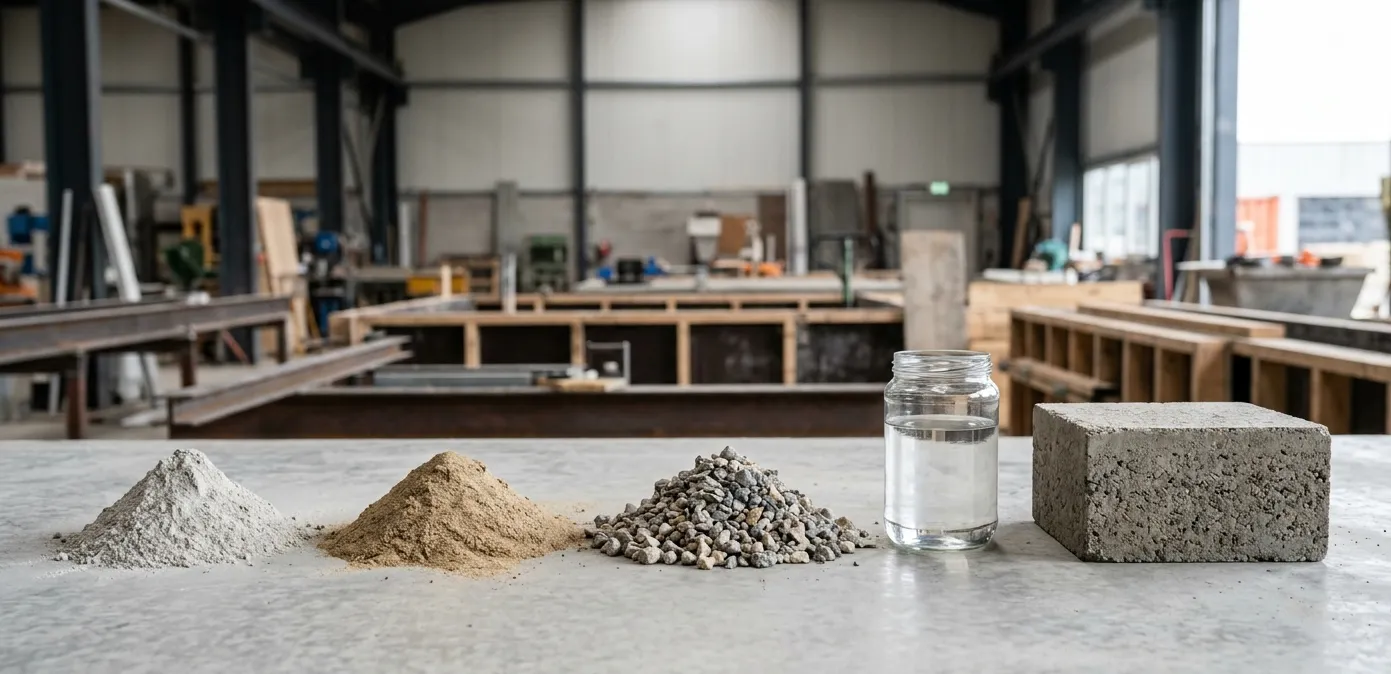
If you’ve ever poured a slab, patched a driveway, or set fence posts, you’ve probably asked yourself: how long does concrete take to dry? It’s one of the most common questions in DIY and construction. The truth is, concrete doesn’t just “dry” — it cures, and curing is what gives it strength.
Understanding the difference between drying and curing is crucial. A DIY patio project, a professional construction site, and a small repair job all have different timelines and requirements. In this guide from Concrete Verse, we’ll walk you through the science, the timelines, and the practical tips so you’ll know exactly when your concrete is safe to walk on, drive over, or build upon.
Concrete Drying vs. Curing: What’s the Difference?
- Drying: The evaporation of water from the surface. It makes concrete look “set,” but doesn’t mean it’s strong.
- Curing: The chemical process where cement reacts with water to form hardened crystals. This is what gives concrete its strength.
Beginners often confuse the two, thinking once it looks dry, it’s ready. In reality, proper curing is far more important than surface drying. Without curing, concrete can crack, weaken, or fail prematurely.
How Long Does Concrete Take to Dry? (Simple Answer)
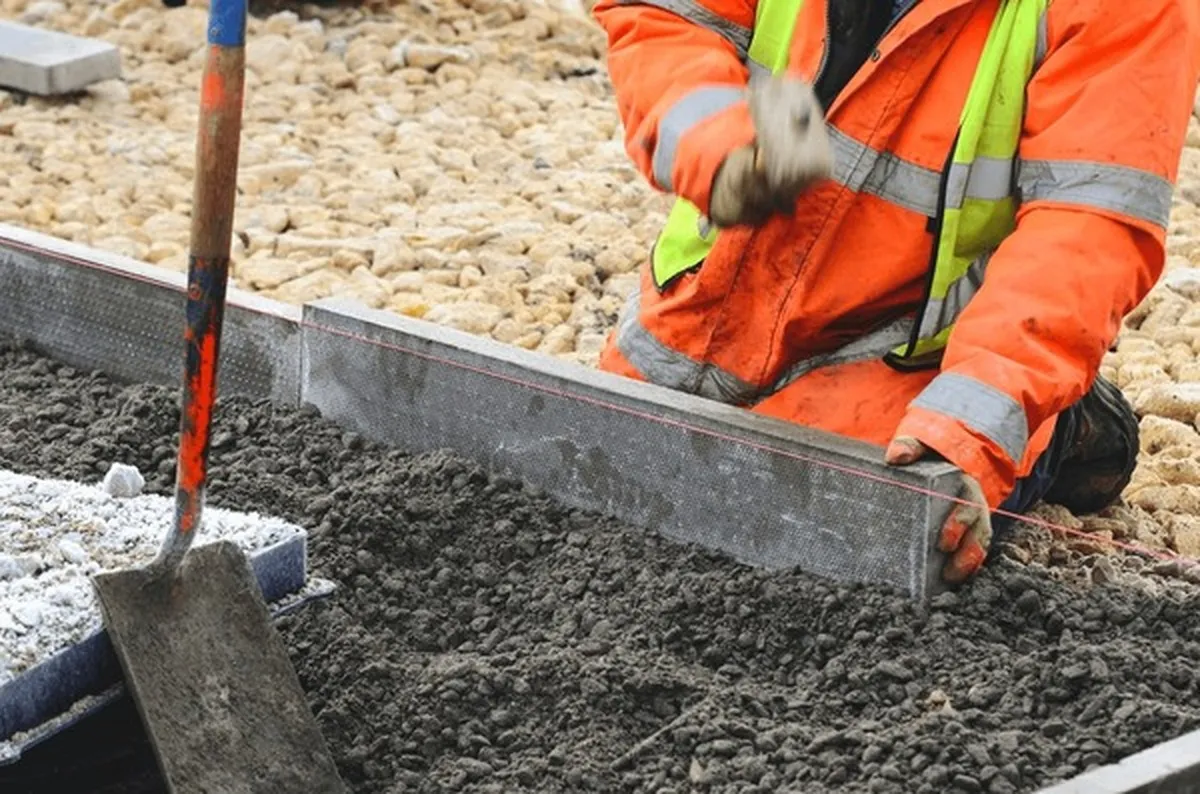
Here’s the quick breakdown:
- Initial set: 24–48 hours (safe to walk lightly).
- Walkable time: Around 24 hours for standard mixes.
- Drive-on time: 7 days for cars, longer for heavy trucks.
- Full cure: 28 days.
- Strength benchmarks: ~70% strength at 7 days, ~100% at 28 days.
Understanding the Concrete Curing Timeline
First 24 Hours
Concrete begins its chemical reaction. Moisture retention is critical — covering with plastic or curing blankets helps prevent cracks.
Day 1 to Day 7
Concrete gains about 50–70% of its strength. Light foot traffic is okay, but avoid heavy loads.
Day 7 to Day 28
Concrete continues curing until it reaches maximum strength. This is when testing and inspections are usually done.
Factors That Affect Concrete Drying & Curing Time
- Temperature: Hot weather speeds evaporation but risks cracks; cold slows curing. Ideal: 50–75°F.
- Humidity: High humidity slows drying; low humidity can cause surface cracks.
- Mix type: Fast-setting mixes cure quicker; water-to-cement ratio matters.
- Slab thickness: Thicker slabs take longer. Example: 4-inch slab ~28 days, 6-inch slab longer.
- Wind & sun: Can cause surface crusting. Cover slabs to protect.
- Additives: Calcium chloride accelerates curing; stabilizers help in hot climates.
How Long Before You Can Walk on Concrete?
- Standard mix: 24–48 hours.
- Fast-setting mix: 6–12 hours.
- Weather adjusted: Longer in cold, shorter in warm. Safety tip: Always test a small corner before walking.
How Long Before You Can Drive or Park on Concrete?
- Cars: 7 days minimum.
- Trucks: 10–14 days.
- Driveways: Thickness and curing conditions matter — thicker slabs need longer.
Indoor vs. Outdoor Concrete Drying Times
Indoor Slabs
HVAC systems affect drying. Moisture testing is essential before installing flooring.
Outdoor Slabs
Sun, wind, and rain all impact curing. Seasonal adjustments are necessary — winter requires heaters/tents, summer requires shade and misting.
How to Speed Up Concrete Drying Safely
- Use a fast-setting mix.
- Reduce water (but don’t overdo it).
- Use heaters/tents in cold weather.
- Improve airflow.
- Add chemical accelerators.
- Prepare the site properly.
How to Know When Concrete Is Fully Dry
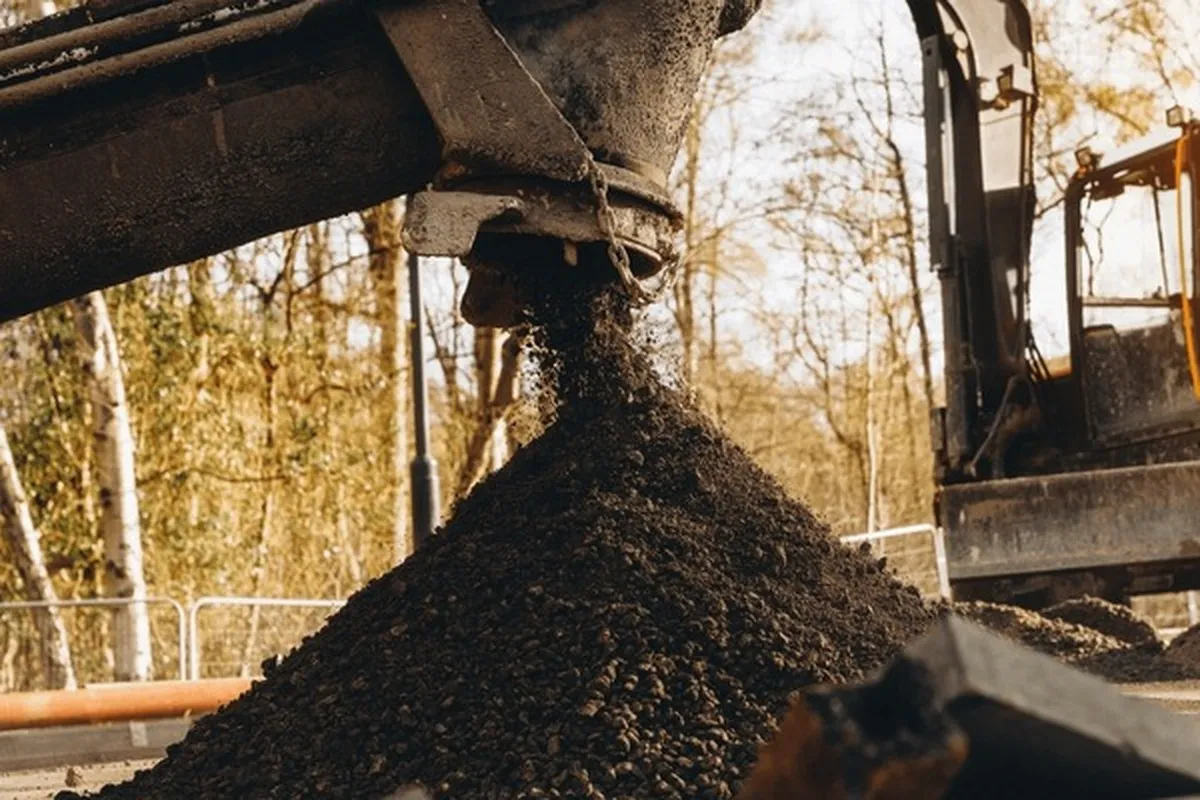
- Visual signs: Uniform color, no damp patches.
- Touch test: Not reliable.
- Moisture meter: Accurate for flooring.
- Calcium chloride test: Industry standard for indoor slabs.
Common Beginner Mistakes
- Adding too much water.
- Walking or parking too early.
- Using plastic incorrectly (trapping vs. curing).
- Pouring in extreme weather.
- Forgetting to cure properly.
FAQs
- Does concrete dry faster in hot weather? → It evaporates faster but risks cracks.
- Can concrete dry in the rain? → Rain can damage fresh pours.
- How long does fast-setting concrete take? → 6–12 hours for walkability.
- What happens if you don’t cure concrete? → Weak, brittle, and prone to cracks.
- Can you pour in winter? → Yes, with heaters/tents.
- How long before full strength? → 28 days.
- Does thicker concrete take longer? → Yes, curing time increases with depth.
Special Cases
- Countertops: 1–2 days for handling, 28 days for sealing.
- Post holes/fence footings: 24–48 hours before load.
- Pools/patios: Longer curing due to exposure.
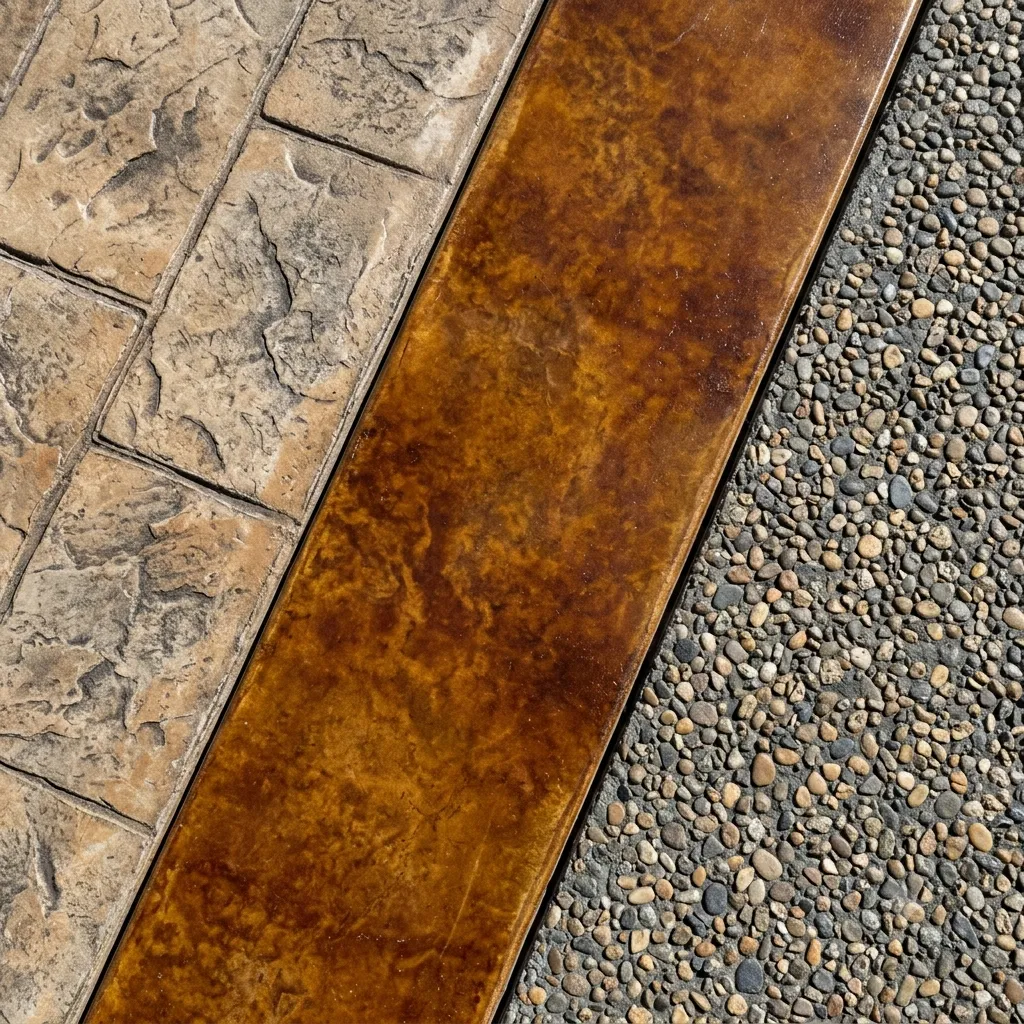
- Colored/stamped concrete: Needs extra curing care to preserve finish.
Professional Tips for Perfect Curing
- Use curing blankets in cold weather.
- Mist-spray to keep moisture.
- Cut control joints at the right time.
- Seal concrete after curing to protect.
Conclusion
Concrete doesn’t just dry — it cures, and curing is the key to strength and durability. The short answer to how long does concrete take to dry is: walkable in 24 hours, drivable in 7 days, fully cured in 28 days.
With the right conditions, patience, and proper curing techniques, your concrete project will last for decades. At Concrete Verse, we encourage DIYers and builders alike to respect the curing process — it’s the difference between a weak slab and a strong foundation.