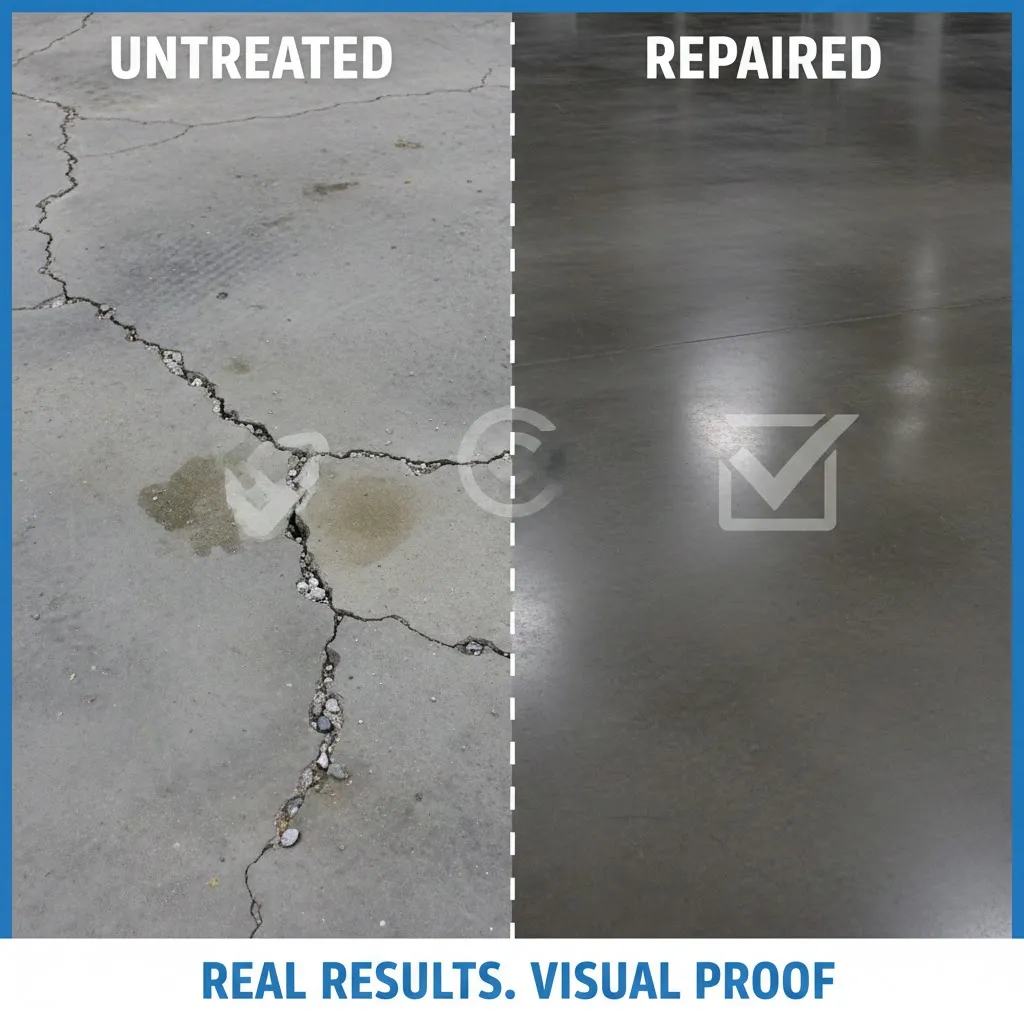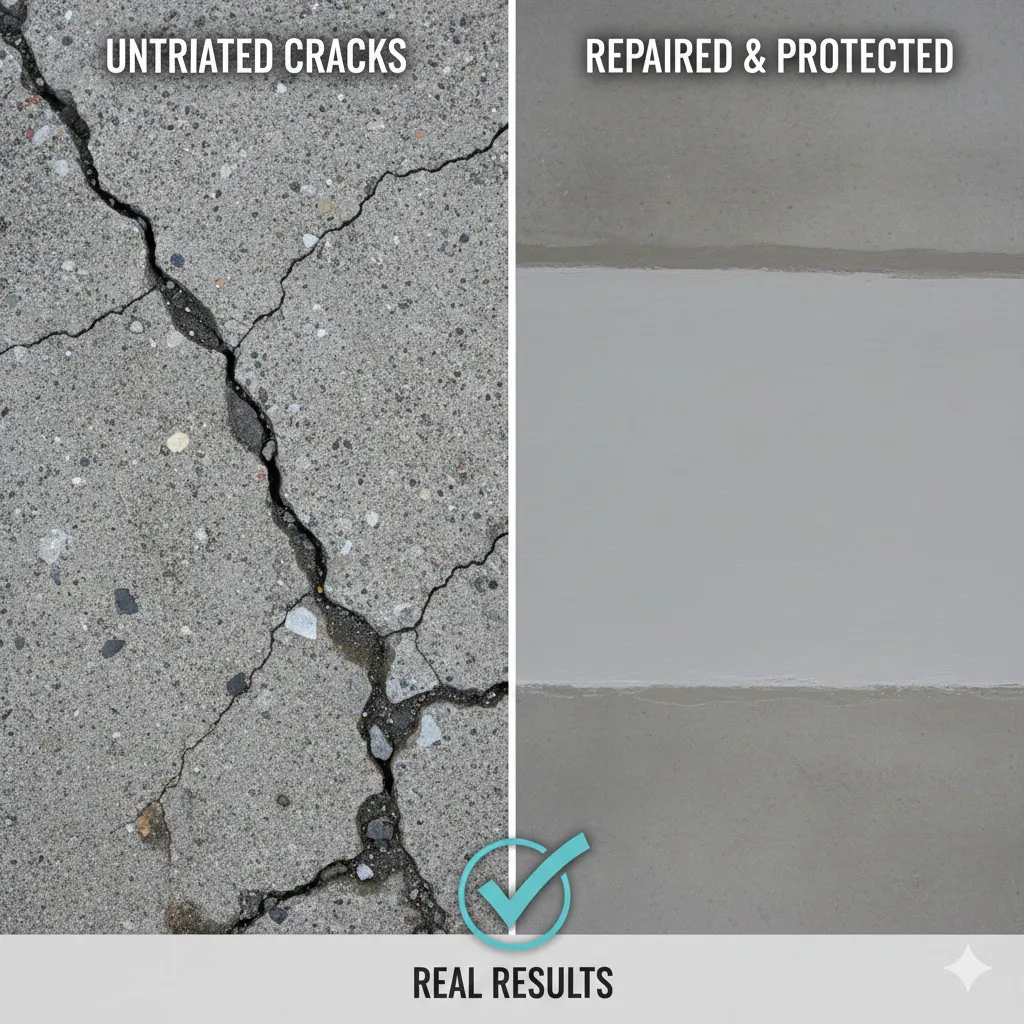
Concrete slabs are the backbone of modern construction, forming the foundation of homes, driveways, patios, and commercial buildings. Yet, despite their strength, cracks are a common issue. Whether it’s a hairline fracture in your garage floor or a deep structural crack in a warehouse slab, understanding the difference between small and large cracks is essential.
Identifying the severity of a crack before repair can save homeowners and property managers thousands of dollars. Small cracks may be cosmetic, while large cracks often signal deeper structural problems. In this guide, you’ll learn the causes of slab cracks, how to distinguish between minor and major issues, repair methods, concrete crack repair cost, and when to call a professional.
What Causes Cracks in Concrete Slabs?
- Concrete shrinkage during curing: As concrete dries, it naturally shrinks. Improper curing accelerates shrinkage, leading to cracks.
- Soil settlement and ground movement: Shifting soil beneath slabs creates voids, causing uneven support and fractures.
- Temperature changes and freeze–thaw cycles: Expansion and contraction from seasonal changes stress the slab.
- Poor installation or low-quality concrete mix: Weak mixes or improper reinforcement compromise durability.
- Heavy loads and structural stress: Vehicles, machinery, or heavy furniture can overload slabs.
Types of Concrete Slab Cracks (Quick Overview)
- Hairline cracks: Thin, surface-level lines.
- Shrinkage cracks: Result from drying and curing.
- Settlement cracks: Caused by soil movement.
- Structural cracks: Deep, wide, and dangerous.
- Expansion and control joint cracks: Occur where slabs are designed to flex.
What Are Small Concrete Slab Cracks?
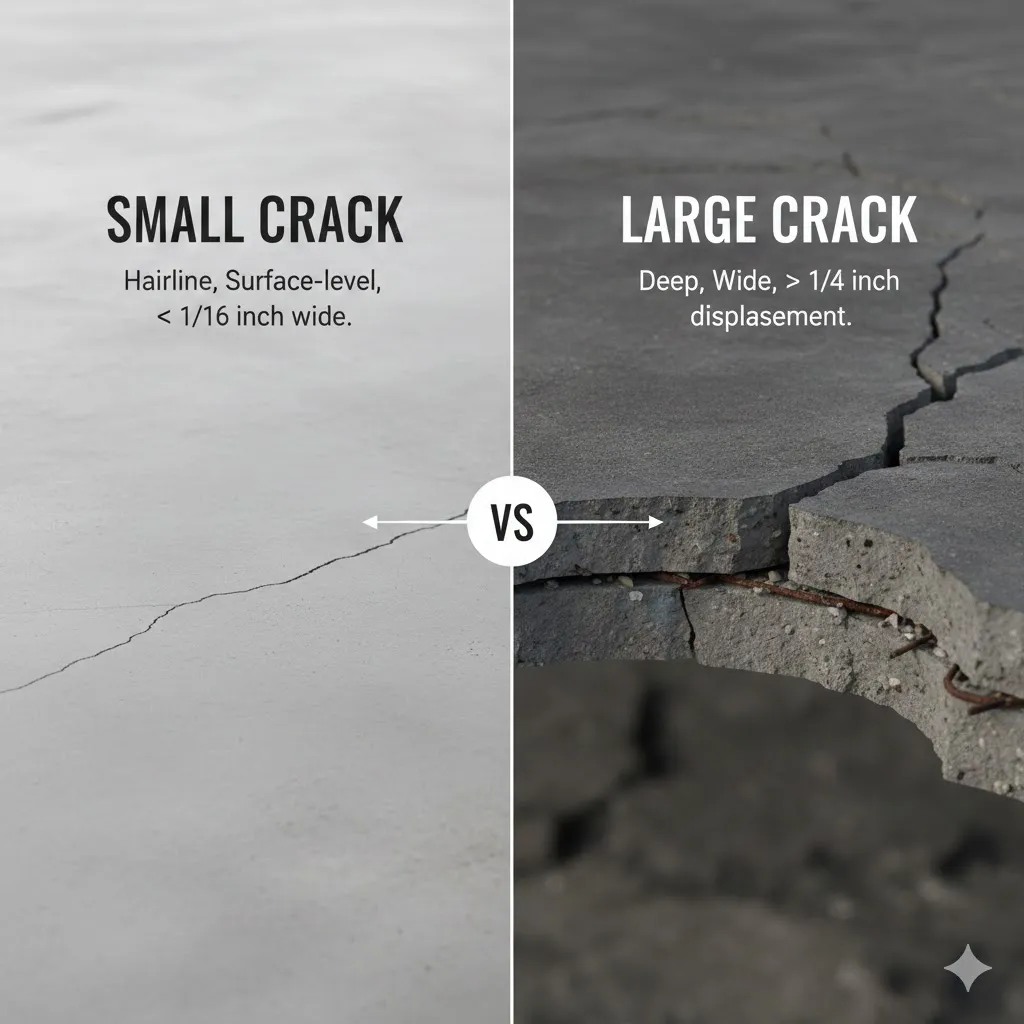
Definition of Small Cracks
- Less than 1/8 inch wide
- Surface-level and cosmetic
Common Causes of Small Slab Cracks
- Drying shrinkage
- Minor temperature changes
- Normal concrete aging
Are Small Concrete Slab Cracks Serious?
- Usually non-structural
- Can worsen if ignored
- Warning signs: widening, moisture seepage, or spreading
What Are Large Concrete Slab Cracks?
Definition of Large Cracks
- Wider than 1/8 inch
- Deep or uneven, sometimes with vertical displacement
Causes of Large or Structural Cracks
- Soil erosion or movement
- Foundation settlement
- Excessive load or poor reinforcement
How to Tell If a Concrete Slab Crack Is Serious
- Crack widening over time
- Uneven slab sections
- Water seepage or moisture issues
- Cracks extending through the entire slab
Small vs Large Concrete Slab Cracks: Key Differences
- Width and depth: Small cracks are shallow; large cracks penetrate deeper.
- Structural risk: Small cracks are cosmetic; large cracks threaten stability.
- Repair complexity: Small cracks can be DIY; large cracks often need professionals.
- Cost differences: Large crack repairs are significantly more expensive.
- Durability: Professional repairs last longer than DIY fixes.
Concrete Slab Crack Repair Methods for Small Cracks
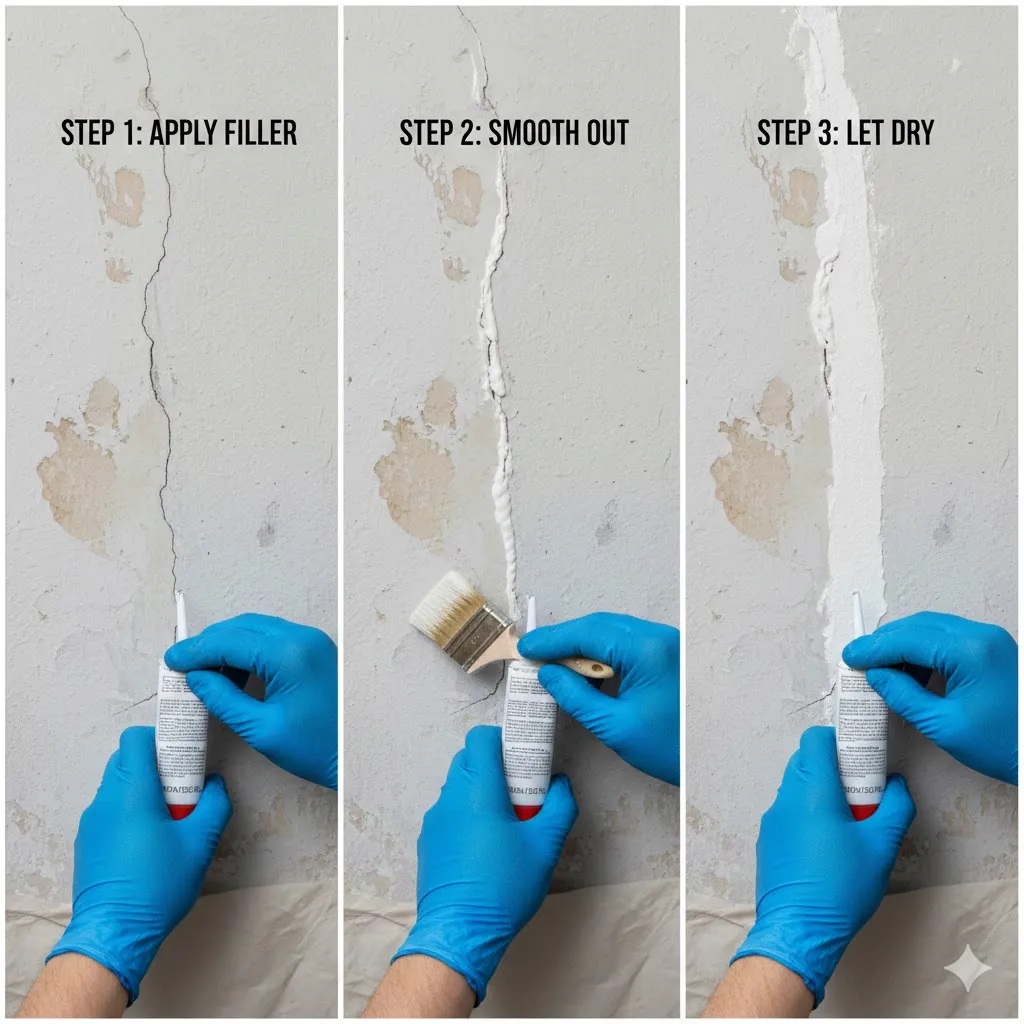
Best Repair Materials for Small Cracks
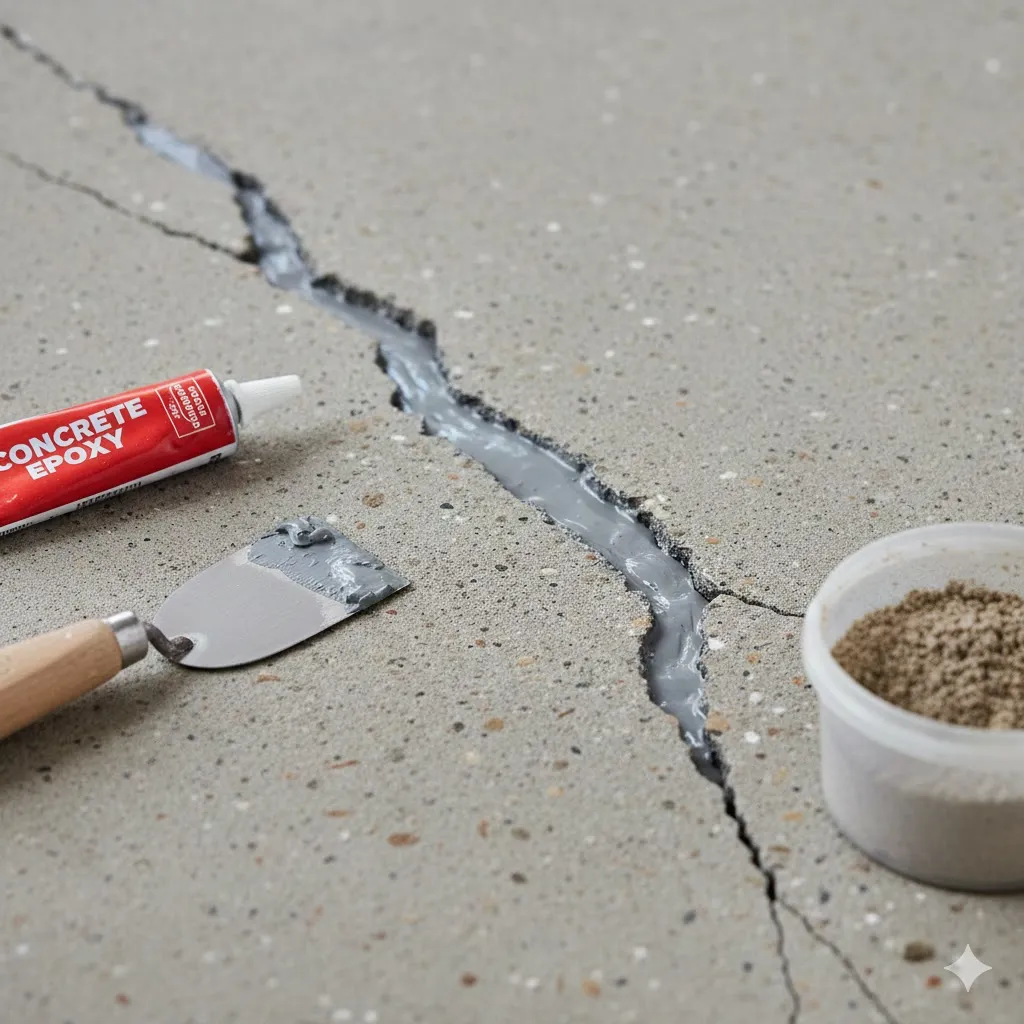
- Concrete crack filler
- Liquid cement
- Polyurethane sealants
Step-by-Step DIY Repair Process
- Clean and prepare the crack
- Apply filler or sealant
- Allow curing and seal the surface
Can You Repair Small Concrete Slab Cracks Yourself?
Yes—most homeowners can handle small cracks with basic tools and materials.
Concrete Slab Crack Repair Methods for Large Cracks
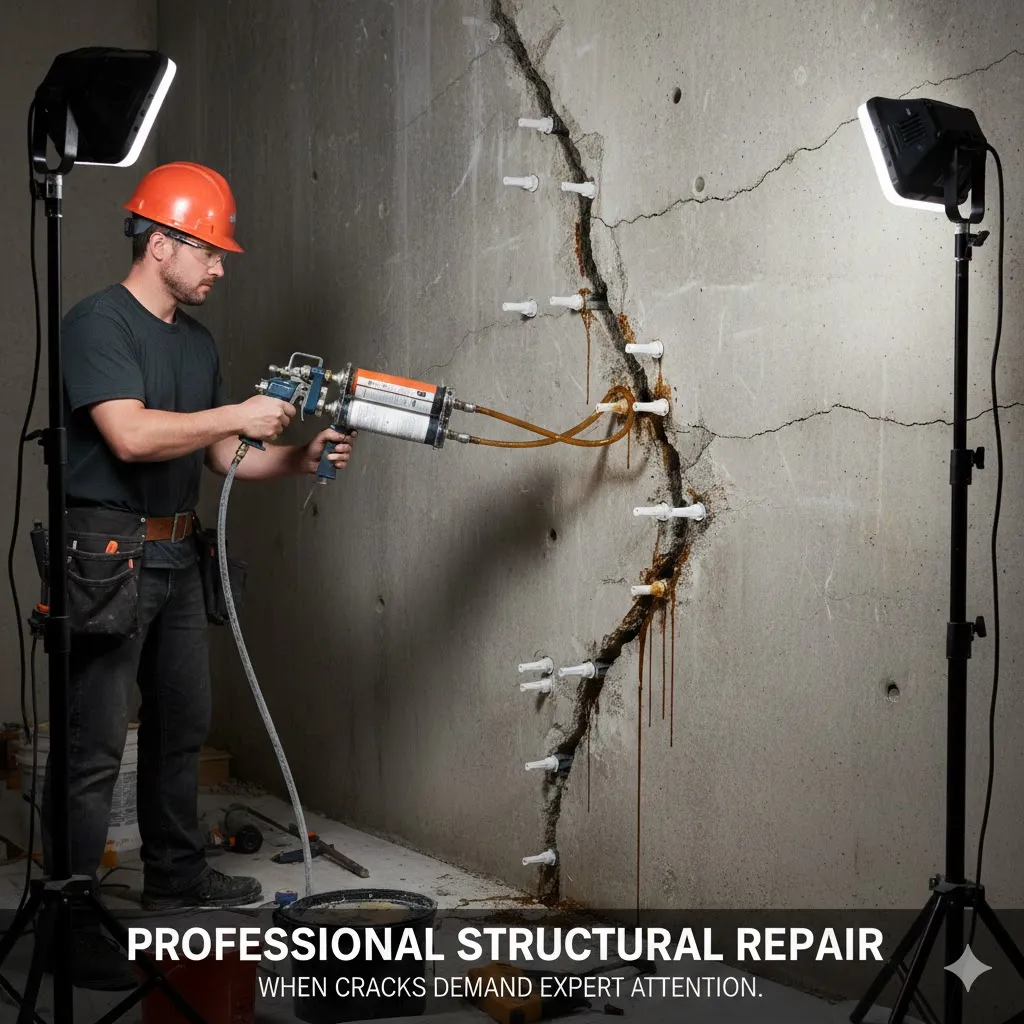
Best Repair Options for Large Cracks
- Epoxy injection
- Polyurethane foam injection
- Concrete patching compounds
When Professional Repair Is Necessary
- Structural cracks
- Load-bearing slabs
- Reoccurring or spreading cracks
Is Epoxy or Polyurethane Better for Large Cracks?
- Epoxy: Strong, structural bonding
- Polyurethane: Flexible, ideal for moisture-prone areas
Concrete Slab Crack Repair Cost: Small vs Large Cracks
Average DIY Repair Costs
- Small cracks: $10–$50 for filler and sealant
Professional Repair Cost Ranges
- Large cracks: $500–$2,500 depending on severity
Cost Comparison Table
| Crack Type | DIY Cost | Professional Cost |
| Small (<1/8 inch) | $10–$50 | $150–$400 |
| Large (>1/8 inch) | Not recommended | $500–$2,500 |
Factors Affecting Pricing
- Crack size and depth
- Location of slab
- Accessibility
- Materials used
👉 Use a concrete slab calculator from Concrete Verse to estimate repair or replacement costs before starting.
Is It Better to Repair or Replace a Cracked Concrete Slab?
- Repair is sufficient: For small, non-structural cracks.
- Replacement recommended: For slabs with multiple large cracks or foundation issues.
- Cost vs longevity: Repairs are cheaper short-term; replacements ensure long-term stability.
How to Prevent Future Concrete Slab Cracks
- Proper curing techniques during installation
- Use of control joints and reinforcement
- Ensure good drainage and soil preparation
- Regular inspections and sealing
When to Call a Concrete Repair Professional
- Warning signs: widening cracks, uneven slabs, water seepage
- Benefits: expert diagnosis, long-term solutions
- Safety: prevents structural failure
FAQs About Concrete Slab Crack Repair
Can water damage worsen concrete slab cracks? Yes, moisture accelerates deterioration.
How long do slab crack repairs last? DIY fixes last 2–5 years; professional repairs last decades.
Can cracks reappear after repair? Yes, if underlying issues aren’t addressed.
Are slab cracks covered by home insurance? Usually not, unless caused by sudden events.
Conclusion
Concrete slab cracks are inevitable, but knowing the difference between small and large cracks is crucial. Small cracks are often cosmetic, while large cracks can signal structural problems. Early repair prevents costly damage, and using tools like a concrete slab calculator helps plan budgets effectively.
For reliable information and guidance, trust Concrete Verse—your digital resource for concrete repair insights, cost calculators, and expert advice.