A concrete pool deck is more than just a surface to walk on—it’s the frame that enhances your pool’s beauty, safety, and usability. When cracks appear, many homeowners dismiss them as minor cosmetic flaws. In reality, pool deck cracks can signal deeper issues: water intrusion, trip hazards, and long-term structural risks that may compromise both your pool and surrounding property.
This guide will walk you through the causes of pool deck cracks, the types of cracks you might encounter, the best repair methods, and the costs involved. By the end, you’ll know when repair is enough, when replacement is necessary, and how to prevent future damage. For reliable information and resources, homeowners can turn to Concrete Verse, a digital hub dedicated to concrete care and repair solutions.
What Causes Cracks in Concrete Pool Decks?
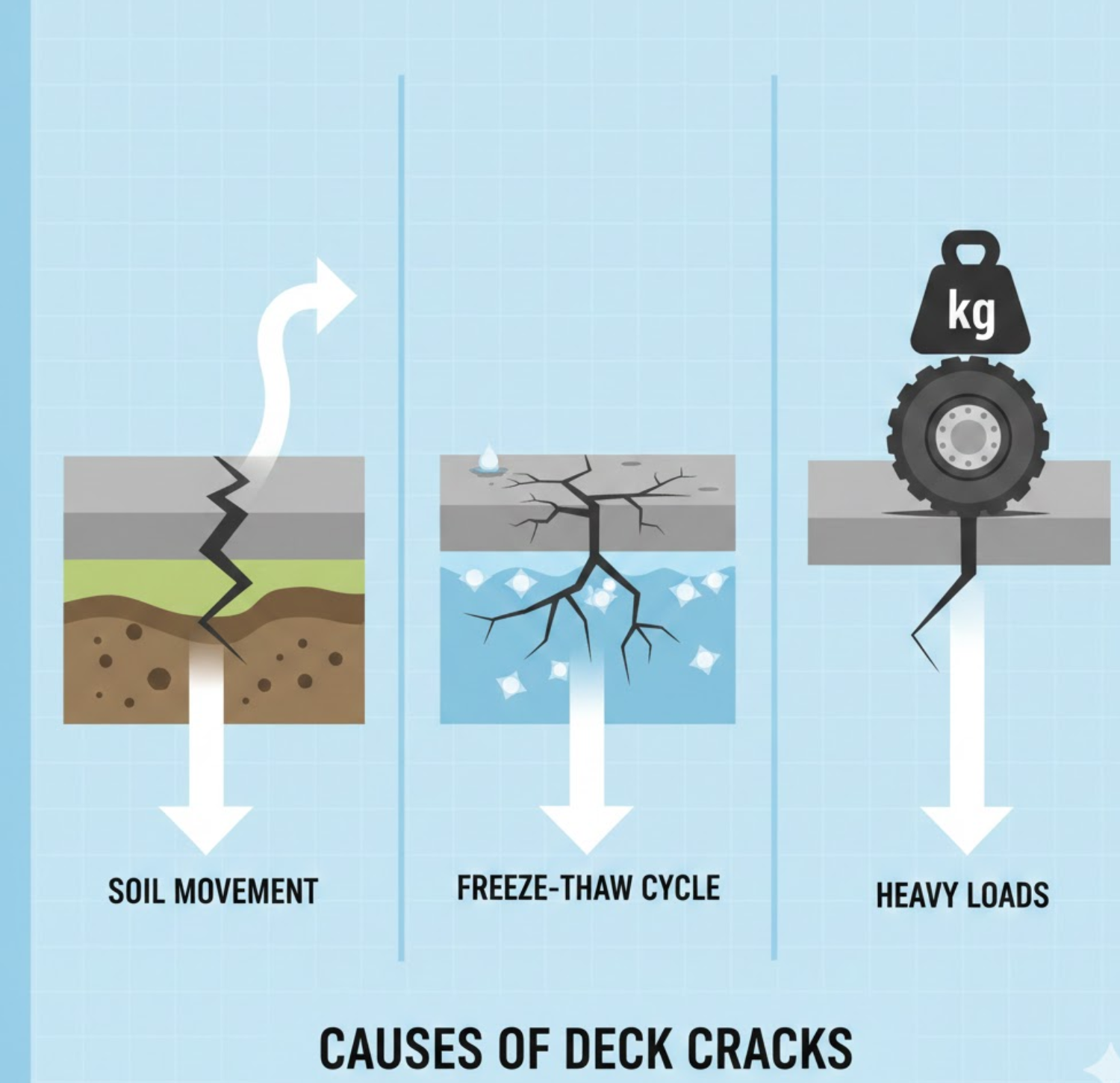
Shrinkage Cracks After Installation
- Rapid curing: If concrete dries too quickly, shrinkage cracks form as the slab contracts.
- Poor concrete mix: Incorrect water-to-cement ratios weaken the slab.
- Inadequate control joints: Without planned joints, cracks appear randomly across the deck.
Soil Movement & Ground Settlement
- Expansive clay soils: These swell when wet and shrink when dry, stressing the slab.
- Poor base compaction: A weak foundation beneath the deck leads to uneven settling.
- Drainage issues: Water pooling around the deck erodes soil, causing instability.
Freeze–Thaw Cycles & Weather Exposure
- Water penetration: Moisture seeps into cracks, freezes, and expands, widening damage.
- Outdoor exposure: Pool decks face constant cycles of sun, rain, and frost.
Heavy Loads & Structural Stress
- Furniture and equipment: Heavy grills, loungers, or pool machinery add stress.
- Foot traffic: Frequent use accelerates wear.
- Thin slabs: Decks poured below recommended thickness are prone to cracking.
Poor Installation & Lack of Reinforcement
- Missing rebar or wire mesh: Reinforcement prevents slab movement.
- Improper slab thickness: Thin decks lack durability against stress and weather.
Is It Normal for Concrete Around a Pool to Crack?
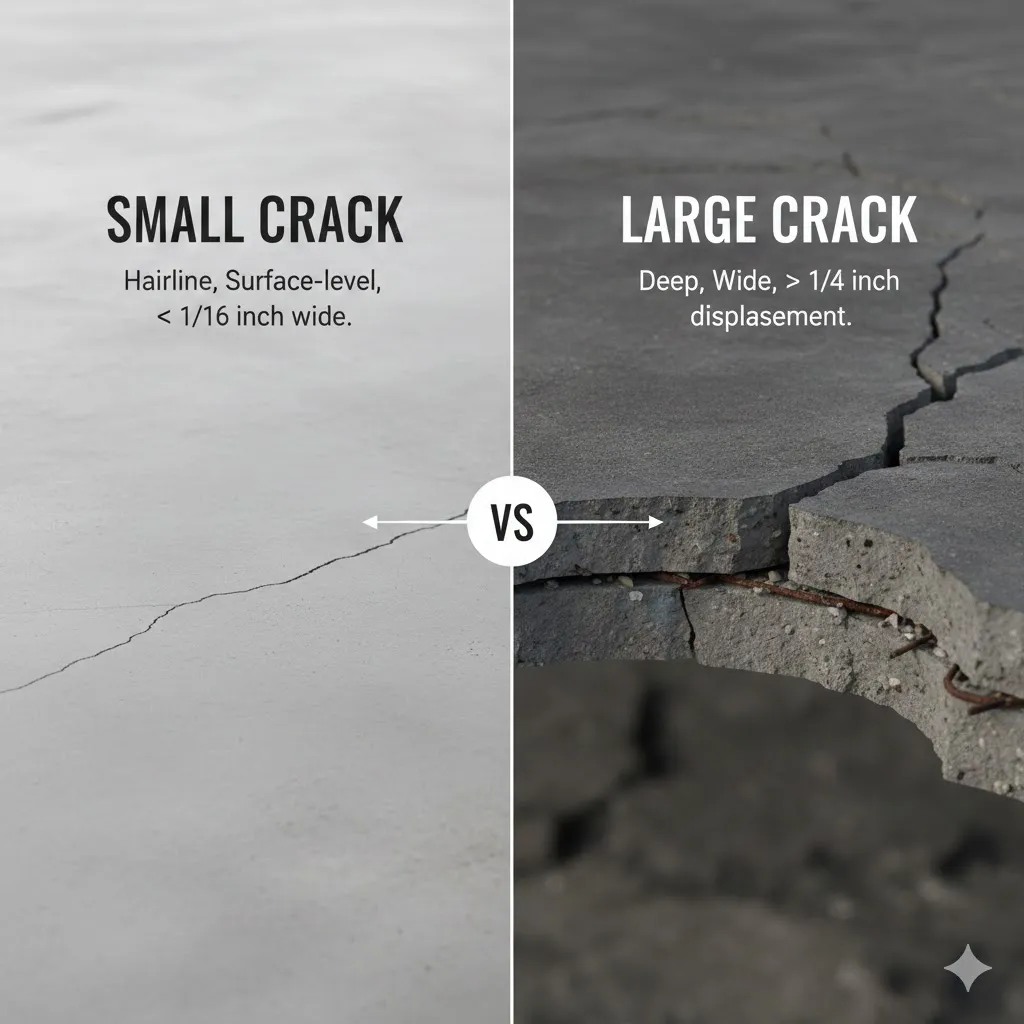
Some cracking is expected. Hairline cracks often result from normal settling and don’t pose immediate risks. However, structural cracks—those that widen, shift, or sink—signal serious damage. Pool decks crack more often than regular slabs because they endure moisture, chemicals, and constant use. Warning signs include uneven surfaces, widening gaps, or cracks that extend toward the pool edge.
Types of Pool Deck Cracks (And How Serious They Are)
Hairline Cracks
- Usually cosmetic.
- Can be sealed to prevent water intrusion.
Wide or Expanding Cracks
- Indicate soil movement or slab stress.
- Require more than simple sealing.
Structural & Sunken Cracks
- Create trip hazards.
- Allow water infiltration beneath the pool, risking structural damage.
What Is the Best Crack Repair for a Concrete Pool?
Best Crack Repair for Hairline Pool Deck Cracks
- Concrete crack sealers: Easy to apply, prevent moisture entry.
- Flexible polyurethane sealants: Adapt to minor slab movement.
For homeowners researching solutions, exploring trusted resources like Concrete Verse can help you compare products and techniques for effective concrete crack repair around pools.
Best Crack Repair for Wide or Active Cracks
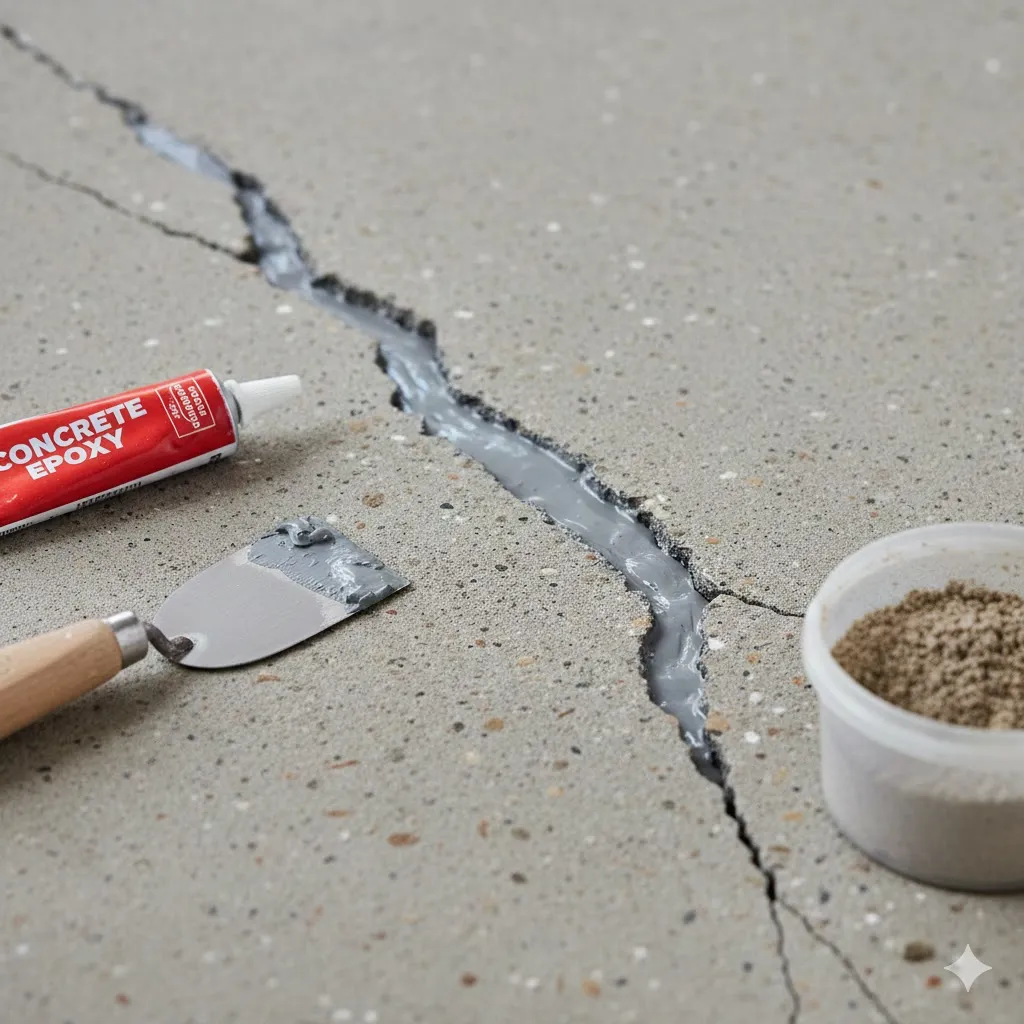
- Epoxy fillers: Strong, durable, but rigid.
- Polyurethane fillers: Flexible, better for areas with movement.
Best Crack Repair Products for Wet Pool Environments
- Chlorine-resistant sealants: Withstand pool chemicals.
- UV-resistant finishes: Prevent sun damage.
- Slip-resistant coatings: Maintain safety around wet areas.
Step-by-Step Concrete Pool Deck Crack Repair (DIY Guide)
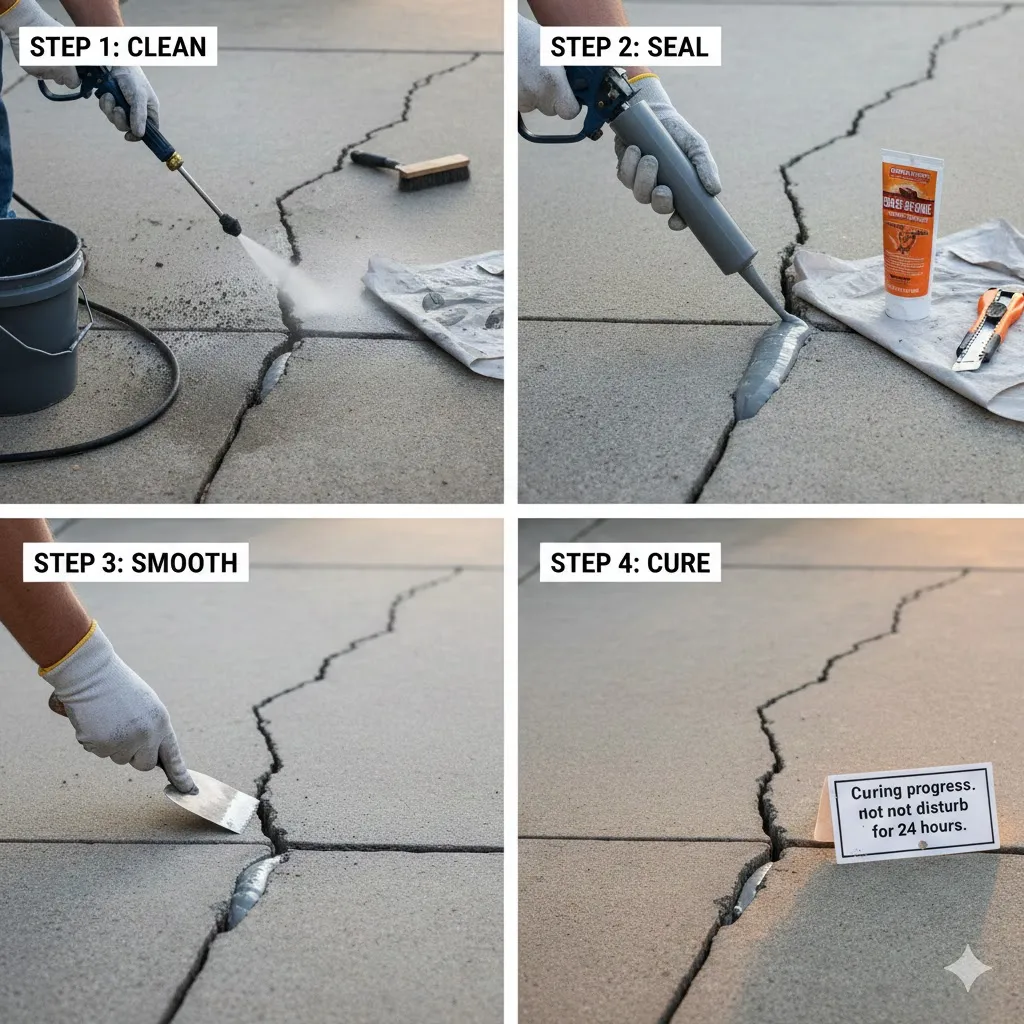
Step 1 – Inspect and Measure the Crack
- Check width, depth, and whether the crack is expanding.
Step 2 – Clean the Crack Properly
- Use a pressure washer.
- Remove algae, dirt, and old filler.
Step 3 – Apply the Right Crack Repair Material
- Choose sealant based on crack type.
- Use caulking guns or trowels for precision.
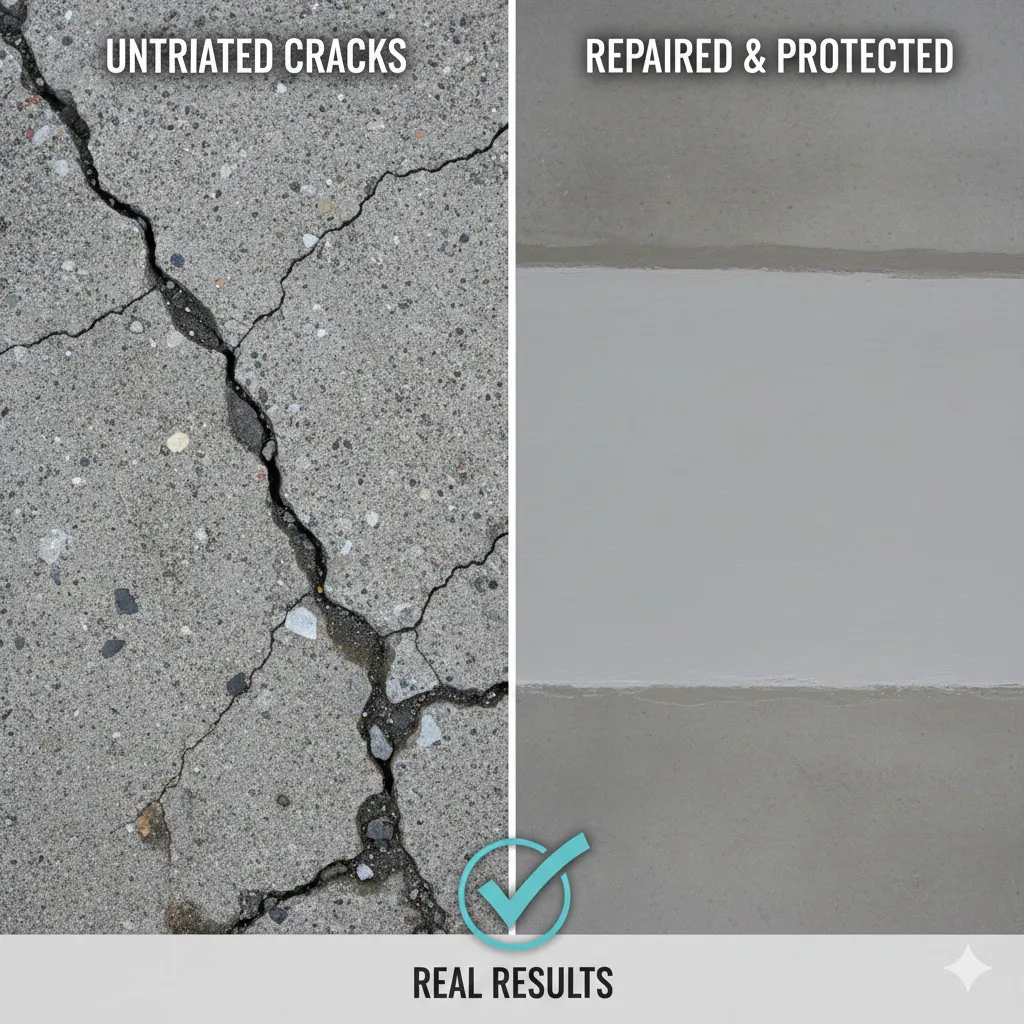
Step 4 – Cure, Seal & Protect the Repair
- Allow proper curing time.
- Apply pool-safe sealers for long-term protection.
How Much Does It Cost to Repair a Crack in a Pool Deck?
DIY Pool Deck Crack Repair Costs
- Materials range from $20–$100 depending on sealant type.
- Hairline cracks are inexpensive to fix.
Professional Pool Deck Crack Repair Costs
- Contractors may charge $300–$1,200 depending on severity.
- Hiring pros ensures durability and safety.
Cost Factors That Affect Pool Deck Repairs
- Crack size and depth.
- Accessibility of the deck.
- Local labor rates.
When Is Repair Not Enough? (Replace vs Repair)
Signs Your Pool Deck Needs Replacement
- Multiple structural cracks.
- Slabs sinking or shifting.
- Drainage failure causing recurring damage.
How Much Does It Cost to Replace a Concrete Pool Deck?
Average Pool Deck Replacement Costs
- $6–$15 per square foot for plain concrete.
- Removal and disposal add $1,000–$2,500.
Stamped vs Plain Concrete Replacement Costs
- Stamped concrete: Decorative, costs $12–$25 per square foot.
- Plain concrete: Functional, lower cost.
How to Prevent Future Pool Deck Cracks
- Install proper drainage systems.
- Use expansion joints to control cracking.
- Seal concrete regularly to block moisture.
- Avoid placing heavy loads near the pool edge.
Repair vs Replacement Comparison Table
| Factor | Repair | Replacement |
| Cost | Low (DIY $20–$100, Pro $300–$1,200) | High ($6–$25 per sq. ft.) |
| Longevity | 3–7 years depending on crack type | 20+ years with proper installation |
| Safety | Restores surface temporarily | Eliminates hazards permanently |
| Visual Appeal | Maintains current look | Opportunity for decorative upgrade |
Frequently Asked Questions (FAQs)
Can you seal pool deck cracks without replacing concrete?
Yes, hairline cracks can be sealed effectively to prevent water intrusion.
Are epoxy crack fillers safe around pools?
Yes, but polyurethane may be better for areas with movement.
How long does concrete pool deck crack repair last?
Repairs typically last 3–7 years, depending on materials and conditions.
Should pool deck cracks be sealed before winter?
Absolutely—freeze–thaw cycles worsen unsealed cracks.
Can cracked pool decks cause leaks or structural pool damage?
Yes, water infiltration beneath the slab can compromise pool walls and plumbing.
Conclusion
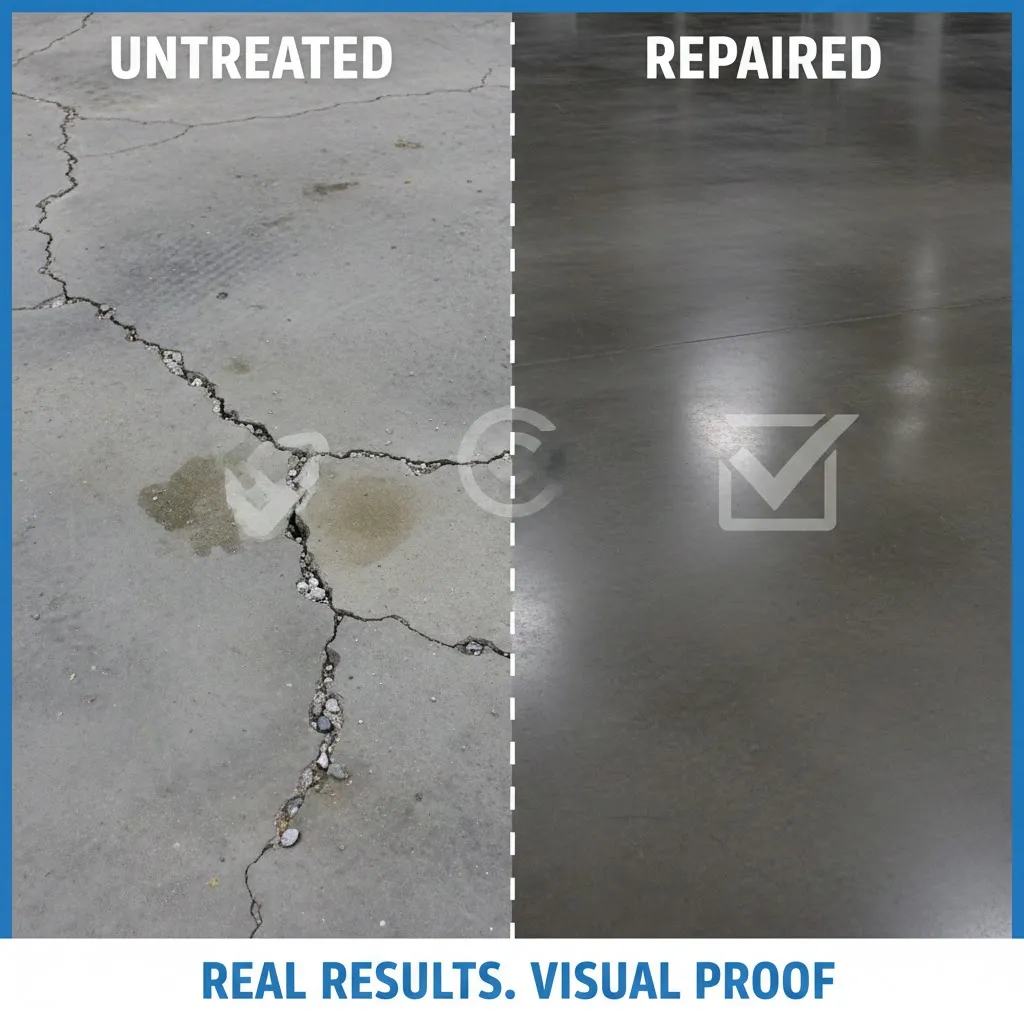
Concrete pool deck cracks are more than cosmetic blemishes—they’re early warnings of potential safety hazards and structural risks. By understanding the causes, recognizing the types of cracks, and applying the best repair methods, homeowners can extend the life of their pool deck and avoid costly replacements.
When deciding between repair and replacement, consider the severity of the cracks, long-term durability, and overall safety. Early intervention almost always saves money. For expert guidance, tutorials, and product recommendations, homeowners can rely on Concrete Verse, a digital resource dedicated to helping you maintain strong, beautiful, and safe concrete surfaces.