Concrete floors are everywhere—garages, basements, patios, warehouses, and commercial spaces. They’re durable, but they’re not immune to cracking. Over time, you may notice hairline fractures across your garage floor or deeper cracks in a basement slab. These aren’t just cosmetic issues; they can signal bigger structural problems if ignored.
Early repair is key. Addressing cracks right away saves money, prevents water damage, and avoids costly slab replacements down the line. In this guide, we’ll explore why cracks happen, the best repair methods, costs, DIY vs professional solutions, and how to keep your concrete floors strong for years to come.
What Causes Cracks in Concrete Floors?
Concrete cracks for several reasons, and understanding the cause helps you choose the right fix:
- Concrete shrinkage during curing: As concrete dries, it shrinks. Without proper curing, small cracks appear.
- Soil settlement and ground movement: Shifting soil beneath the slab creates uneven support.
- Temperature changes and freeze–thaw cycles: Seasonal expansion and contraction stress the slab.
- Heavy loads and improper reinforcement: Vehicles, machinery, or weak reinforcement can overload the floor.
- Poor concrete mix or finishing: Low-quality mixes or rushed finishing compromise durability.
Types of Concrete Floor Cracks You Should Know
Hairline Cracks
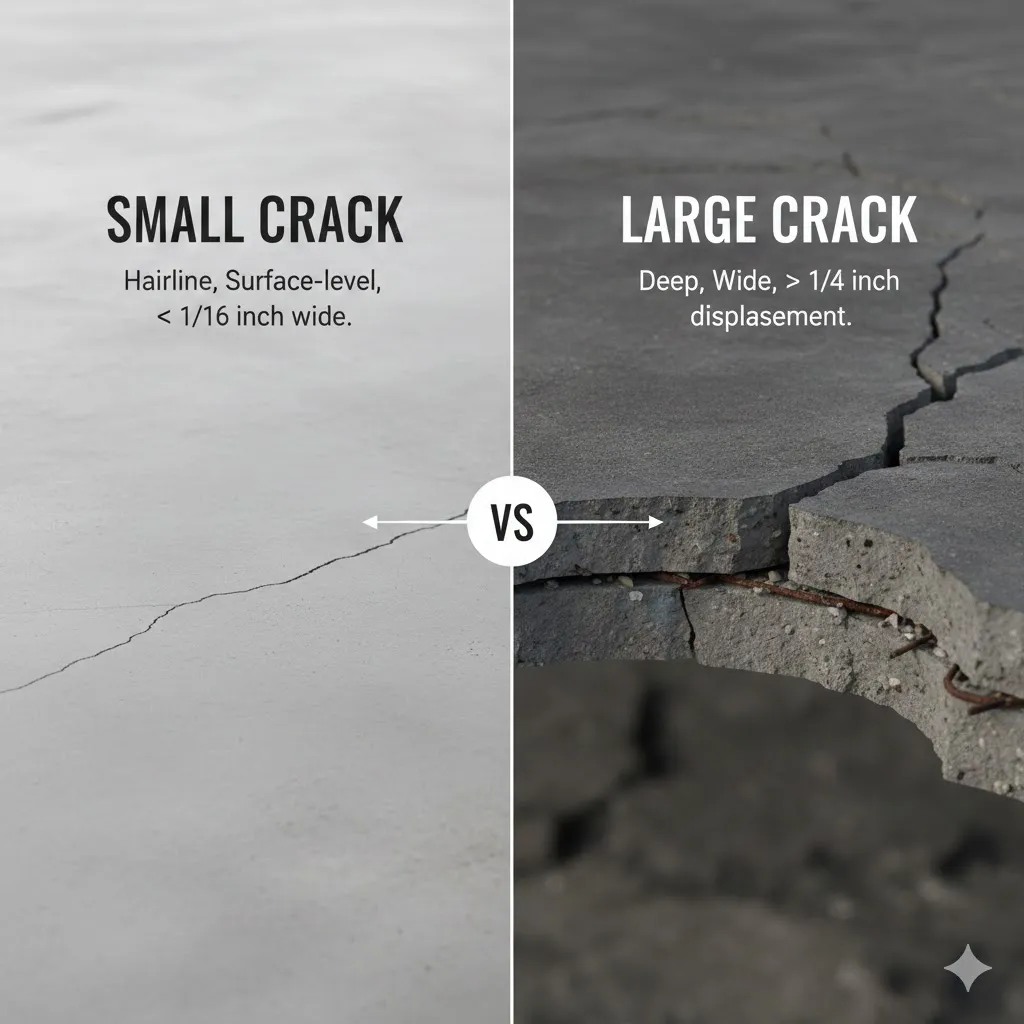
- Cosmetic and surface-level.
- Common in new concrete floors.
- Usually harmless but worth monitoring.
Shrinkage Cracks
- Caused by moisture loss during curing.
- Typically non-structural.
- Can be sealed to prevent water intrusion.
Settlement & Structural Cracks
- Wider, deeper, or uneven cracks.
- May indicate foundation or soil issues.
- Require professional evaluation.
Can Cracks in Concrete Floors Be Repaired?
Yes—most cracks can be repaired.
- DIY repair is sufficient: For hairline or shrinkage cracks.
- Professional repair is necessary: For structural cracks, uneven slabs, or recurring damage.
- Warning signs: Cracks that widen, show vertical displacement, or allow water seepage.
How to Tell If a Concrete Floor Crack Is Serious
- Width and depth: Cracks wider than 1/8 inch are concerning.
- Vertical displacement: Uneven flooring suggests structural issues.
- Water seepage: Moisture stains indicate compromised sealing.
- Growth over time: Cracks that keep spreading need professional attention.
Best Methods for Concrete Floor Crack Repair
Best to Fill Cracks in Concrete
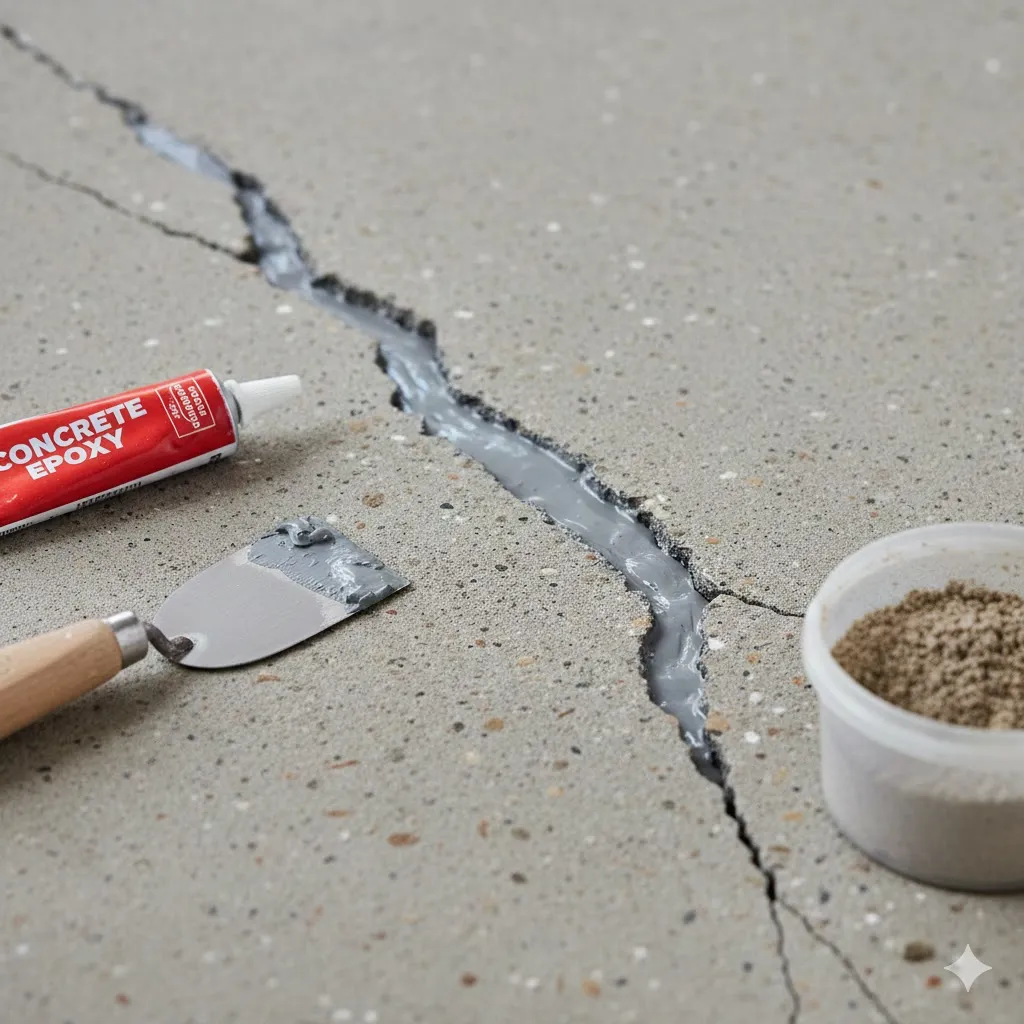
- Concrete crack filler: Ideal for small, cosmetic cracks.
- Epoxy injection: Strong bonding for structural cracks.
- Polyurethane sealants: Flexible, great for moisture-prone areas.
- Cement-based patching compounds: Good for surface repairs.
Choosing the Right Repair Material
- Small cracks: Filler or sealant.
- Medium cracks: Epoxy or polyurethane.
- Large cracks: Professional epoxy injection or resurfacing.
How to Fix Cracks in a Concrete Slab at Home Depot
Homeowners often turn to Home Depot for DIY solutions. Popular products include:
- Quikrete concrete crack filler
- Epoxy repair kits
- Concrete patch compounds
Step-by-step DIY process:
- Clean and prep the crack.
- Apply filler or epoxy.
- Smooth the surface.
- Allow curing and seal for durability.
Is It OK to Put Cement Over Cracked Concrete?
- Acceptable: Only if cracks are repaired first.
- Why cement alone fails: It doesn’t bond properly and cracks reappear.
- Better alternatives: Use bonding agents, epoxy, or resurfacing methods.
Concrete Floor Crack Repair Cost
Average DIY Repair Costs
- $10–$50 for fillers and sealants.
Professional Repair Pricing Ranges
- $150–$400 for small cracks.
- $500–$2,500 for large structural cracks.
Cost Comparison Table
| Crack Type | DIY Cost | Professional Cost |
| Hairline | $10–$50 | $150–$300 |
| Shrinkage | $20–$75 | $200–$400 |
| Structural | Not recommended | $500–$2,500 |
Tip: Use the concrete calculator and concrete slab calculator from Concrete Verse to estimate repair or replacement costs before starting.
DIY vs Professional Concrete Floor Crack Repair
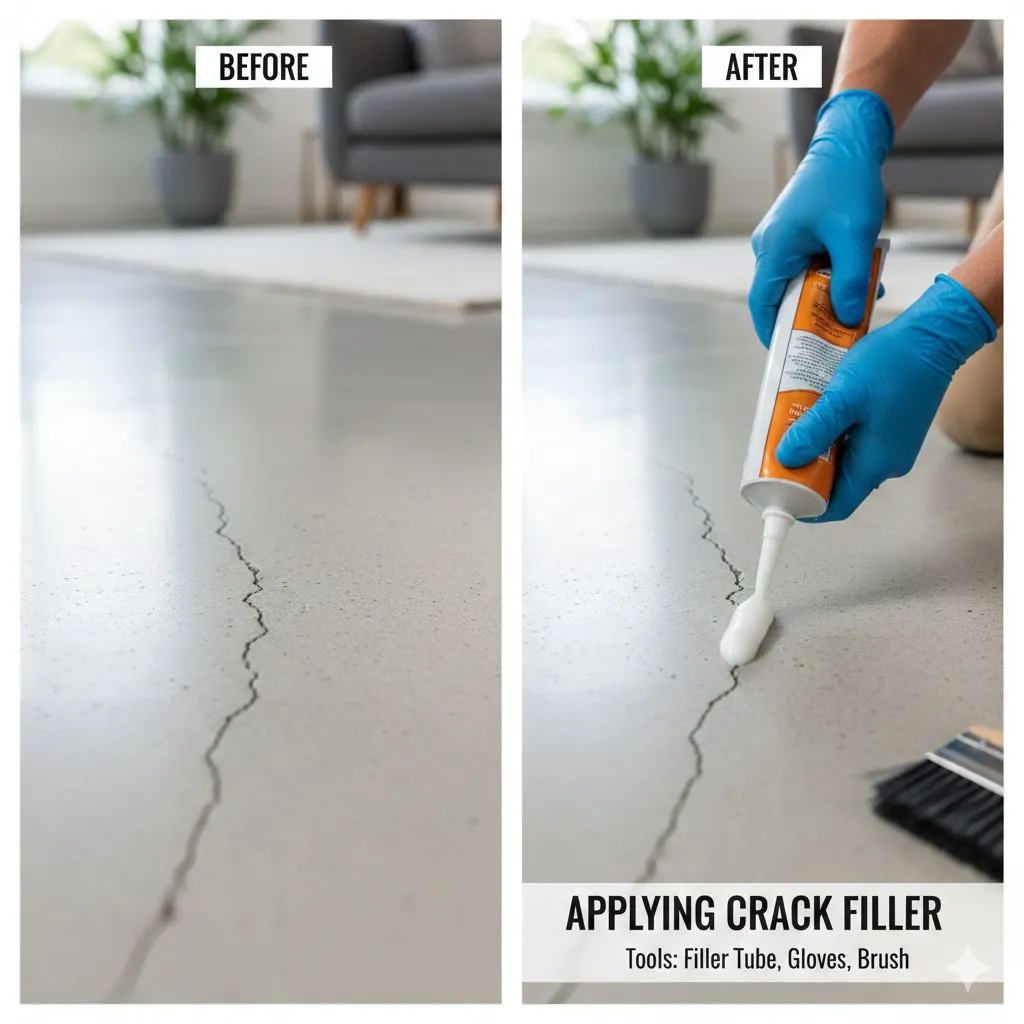
DIY Repair Pros & Cons
- Pros: Affordable, quick fixes for small cracks.
- Cons: Limited durability, not suitable for structural issues.
Professional Repair Pros & Cons
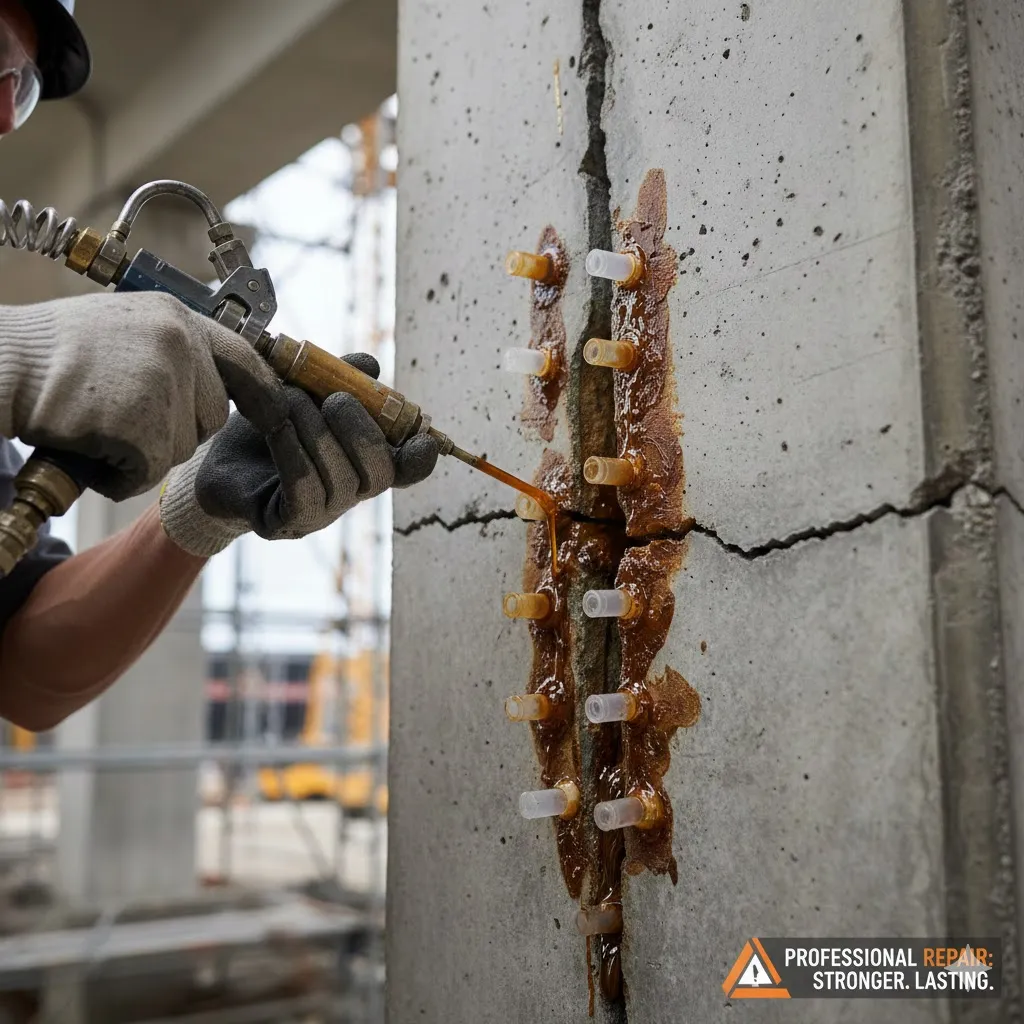
- Pros: Long-lasting, structurally sound repairs, warranties.
- Cons: Higher upfront cost, but better ROI.
How Long Do Concrete Floor Crack Repairs Last?
- DIY repairs: 2–5 years.
- Professional repairs: 10–20 years.
- Maintenance tips: Seal regularly, manage moisture, inspect annually.
- Signs repairs need reapplication: Cracks reappearing, water seepage, uneven slabs.
How to Prevent Cracks in Concrete Floors
- Proper curing techniques during installation.
- Control and expansion joints to manage stress.
- Moisture management and drainage to protect soil stability.
- Regular inspections and sealing to catch issues early.
When to Replace Instead of Repair a Concrete Floor
- Extensive cracking across large areas.
- Structural instability threatening safety.
- Cost comparison: Replacement may be more economical long-term than repeated repairs.
FAQs About Concrete Floor Crack Repair
Will repaired cracks come back?
Yes, if underlying causes aren’t addressed.
Are crack repairs waterproof?
With proper sealants, yes.
Can crack repair increase property value?
Absolutely—well-maintained floors improve resale appeal.
Do repaired floors need sealing?
Yes, sealing extends lifespan and prevents moisture damage.
Conclusion
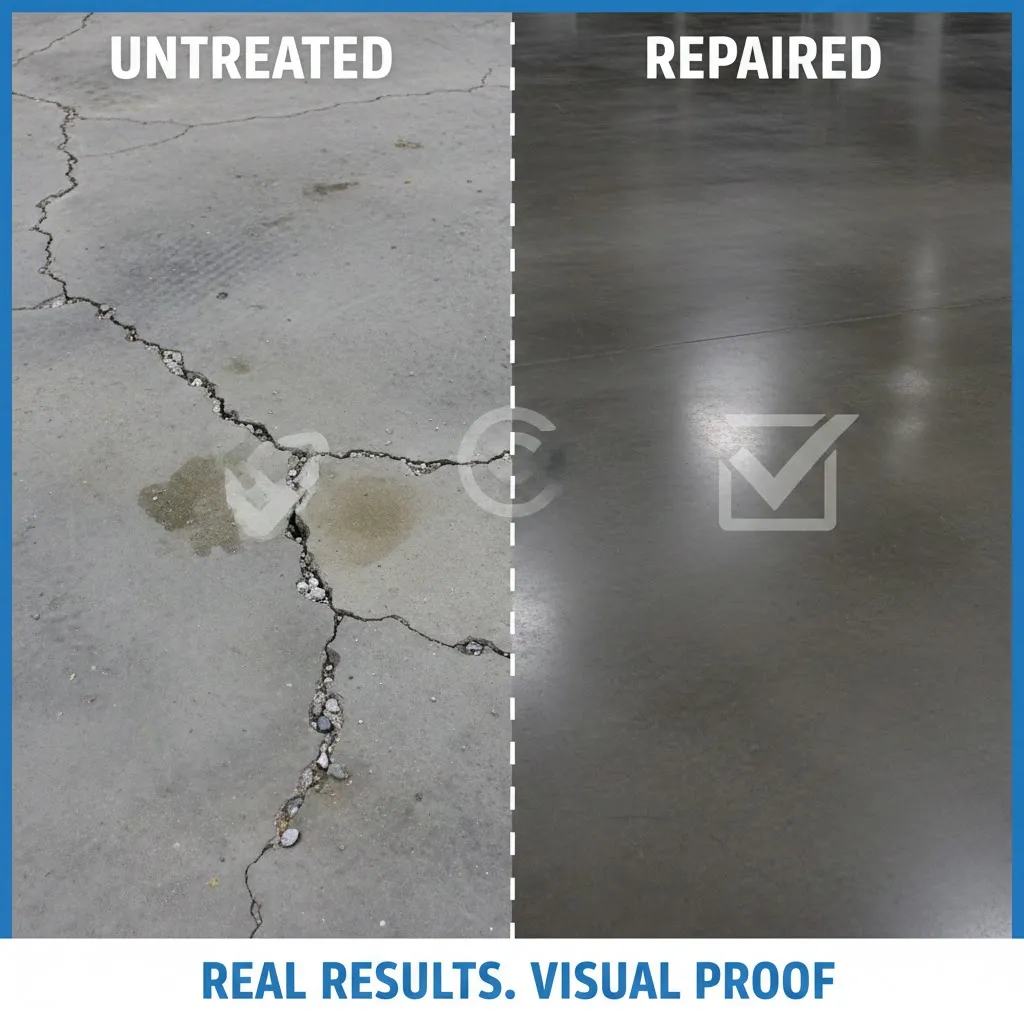
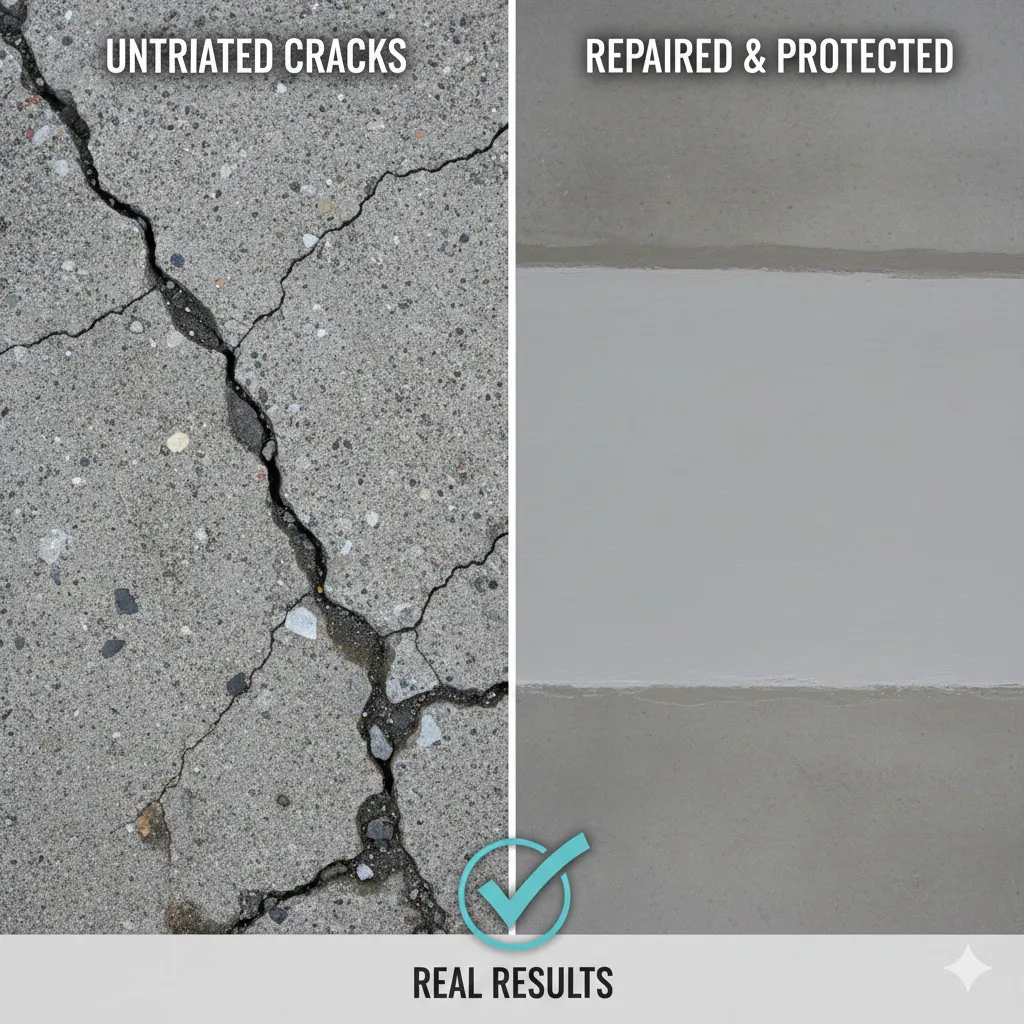
Concrete floors are strong, but cracks are inevitable. The good news is that most cracks can be repaired, whether through DIY fillers or professional epoxy injections. The concrete crack repair before and after difference is clear: smoother finishes, stronger slabs, and longer-lasting durability.
For accurate cost estimates and repair planning, rely on Concrete Verse—your digital resource for concrete insights. With tools like the concrete calculator and concrete slab calculator, you can plan smarter, save money, and ensure your floors stay strong for years to come.