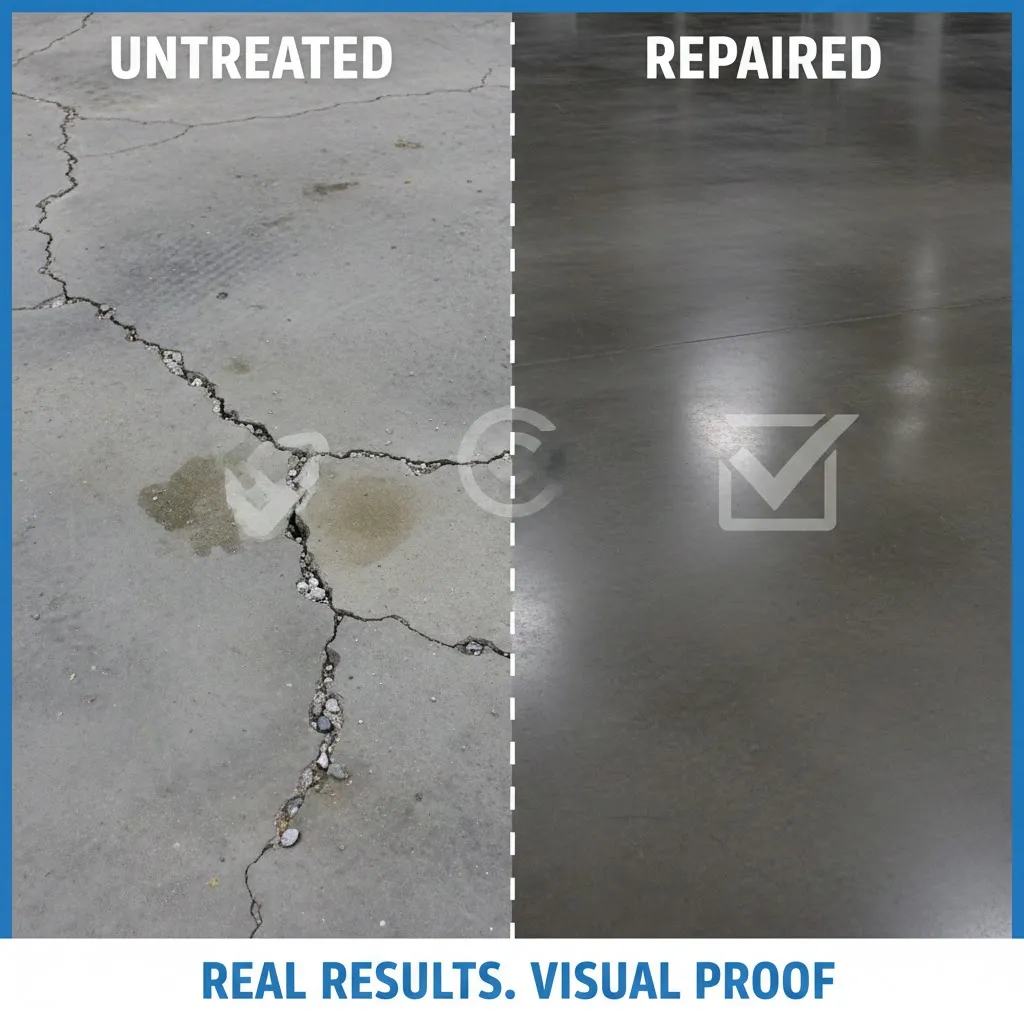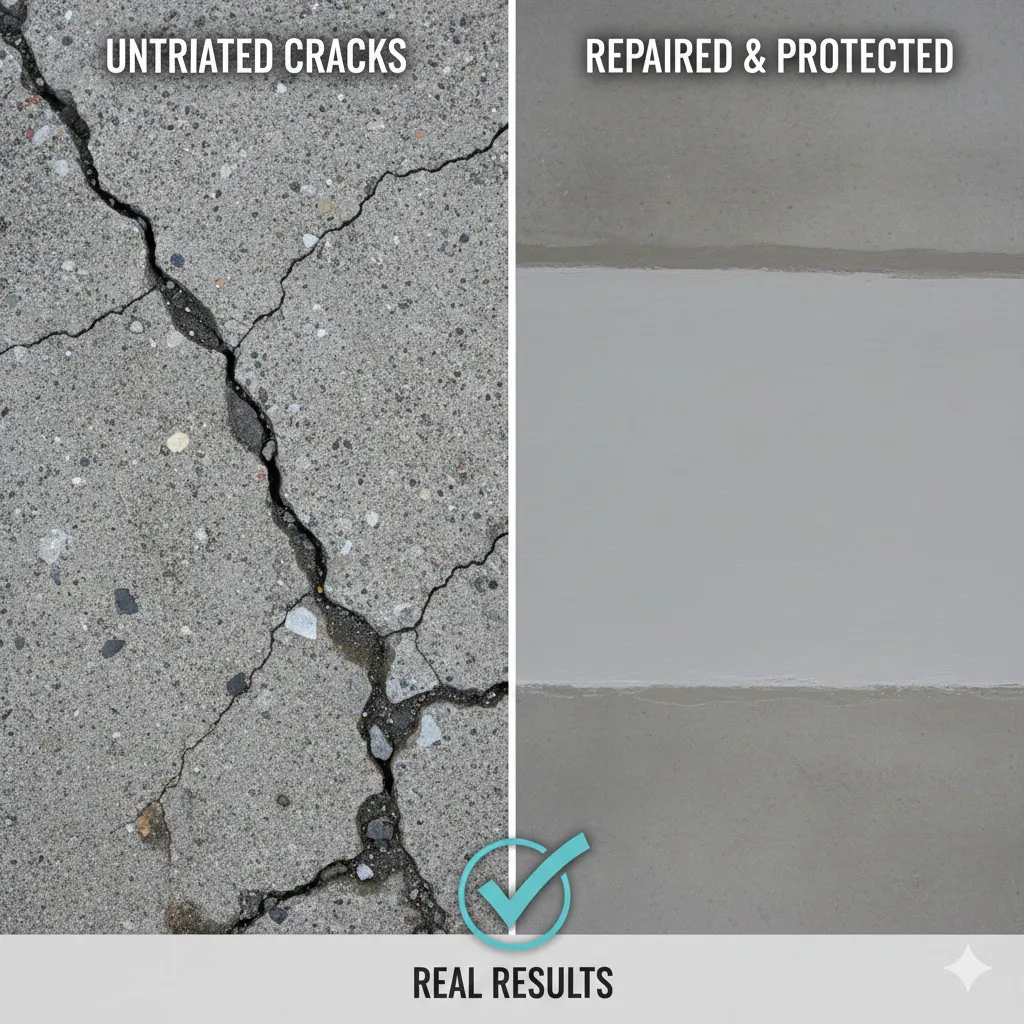
Concrete driveways are tough, but they’re not invincible. Over time, cracks show up—sometimes small hairline ones, sometimes wide gaps that make you worry about the whole slab. The good news? Most cracks can be repaired if you know what you’re dealing with and use the right method. In this guide, we’ll walk through everything from why cracks happen to how to fix them step by step.
At Concrete Verse, your go-to digital resource for all things concrete, we believe that repairing cracks doesn’t have to be complicated. Whether you’re tackling a driveway or looking into concrete wall crack repair, the principles are similar: identify the type of crack, choose the right material, and apply it correctly.
Can Concrete Driveway Cracks Be Repaired?
Yes, most cracks can be repaired—but not all. The trick is knowing when repair is enough and when replacement is needed.
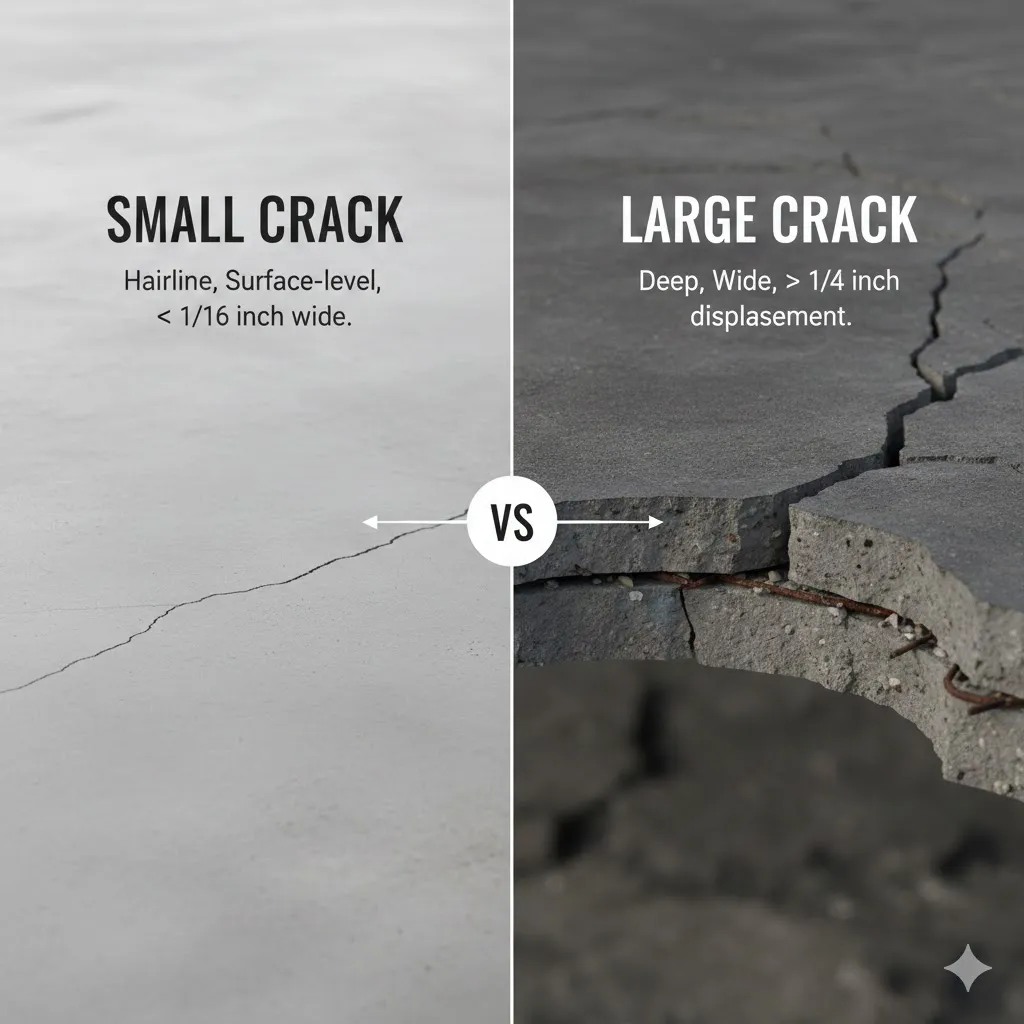
- Repairable cracks: Hairline cracks, shrinkage cracks, and small gaps under ¼ inch wide. These don’t affect the structural integrity of the slab.
- Structural cracks: Deep cracks wider than ½ inch, or cracks that keep expanding. These often signal bigger issues like soil movement or poor drainage.
- Crack size limits:
- Hairline cracks: Easy to fill with liquid crack filler.
- ¼ inch cracks: Need patch compounds or sealants.
- ½ inch+ cracks: May require routing, sealing, or even slab replacement.
If the driveway is shifting, sinking, or breaking apart in multiple places, repair alone won’t cut it—you’ll need professional help or replacement.
Why Concrete Driveways Crack in the First Place
Understanding the cause helps you fix cracks correctly and prevent them in the future.
- Freeze–thaw cycles: Water seeps into cracks, freezes, expands, and makes the crack worse.
- Soil movement & poor sub-base: If the ground under the driveway shifts, the concrete follows.
- Heavy vehicle loads: Parking trucks or RVs can stress the slab beyond its design.
- Improper concrete mix or curing: Weak concrete or rushed curing leads to early cracking.
- Tree roots & drainage problems: Roots push up from below, while poor drainage erodes the base.
Types of Concrete Driveway Cracks (Identify Before Repair)
Hairline & Shrinkage Cracks
Tiny cracks that look like spider webs. They’re cosmetic and easy to fix.
Small Cracks (Under ¼ Inch Wide)
These are common and usually caused by minor stress. They’re repairable with fillers.
Large Cracks (¼ Inch to ½ Inch)
These need more prep and stronger materials like epoxy or polyurethane.
Deep & Structural Cracks
Cracks that go through the slab. They often require routing, sealing, or replacement.
Expanding or Settling Cracks
If the crack keeps widening or the slab is sinking, it’s a structural issue.
What Is the Best Method for Concrete Crack Repair?
- Surface repair: Works for hairline cracks.
- Deep crack repair: Needed for larger cracks.
- Crack filling: Best for small gaps.
- Routing & sealing: For medium to large cracks.
- Slab replacement: When cracks are too deep or widespread.
What Is the Best Material to Fill Cracks in a Concrete Driveway?
Concrete Crack Filler (Latex & Acrylic)
Perfect for hairline and small cracks. Easy to apply, flexible, and affordable.
Polyurethane & Epoxy Crack Sealants
Best for larger and deeper cracks. They bond strongly and resist water.
Vinyl Concrete Patch Compounds
Great for medium cracks. They provide a durable patch that blends with the driveway.
Ready-Mix Concrete
Not ideal for narrow cracks because it doesn’t bond well in tight spaces.
Comparing Crack Fillers vs Sealants vs Patches
- Fillers: Quick fixes for small cracks.
- Sealants: Flexible and waterproof for larger cracks.
- Patches: Durable solutions for medium cracks.
How to Fix Small Cracks in a Concrete Driveway (Step-by-Step)
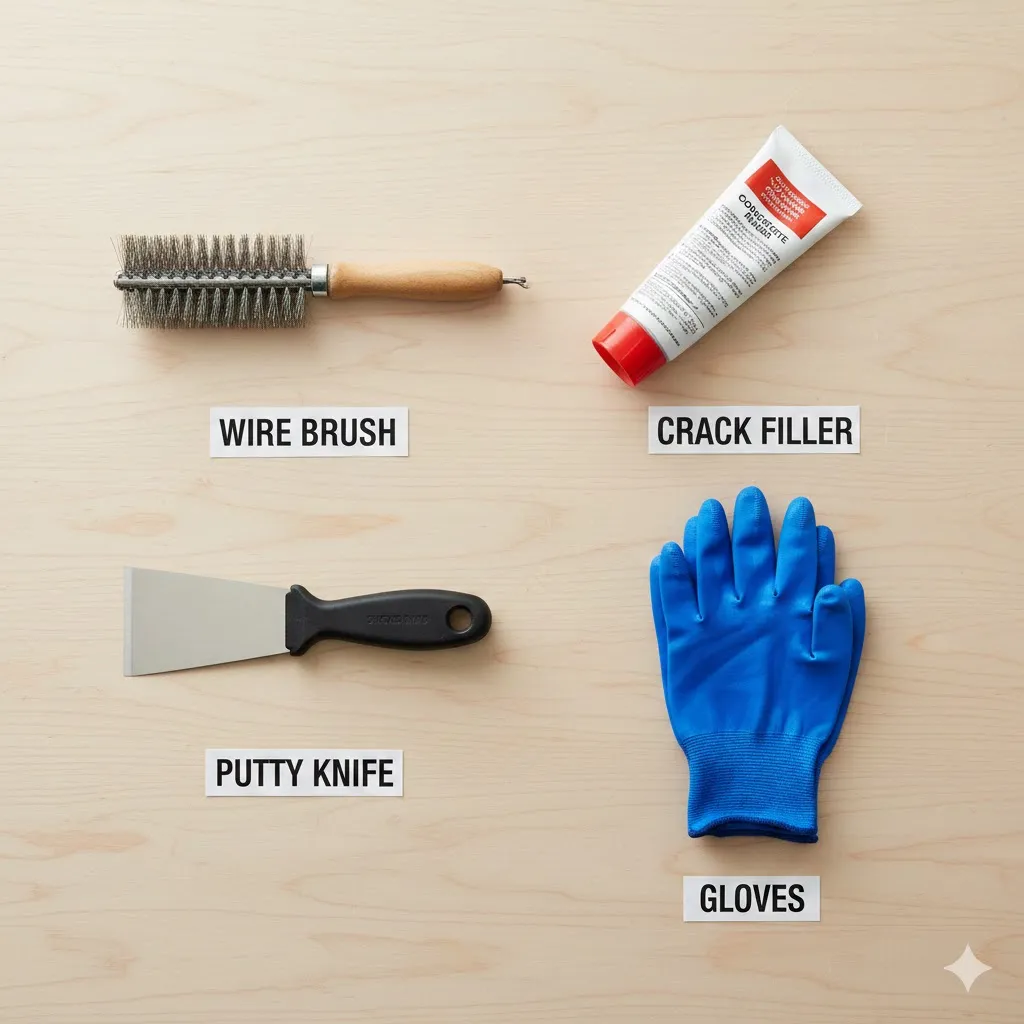
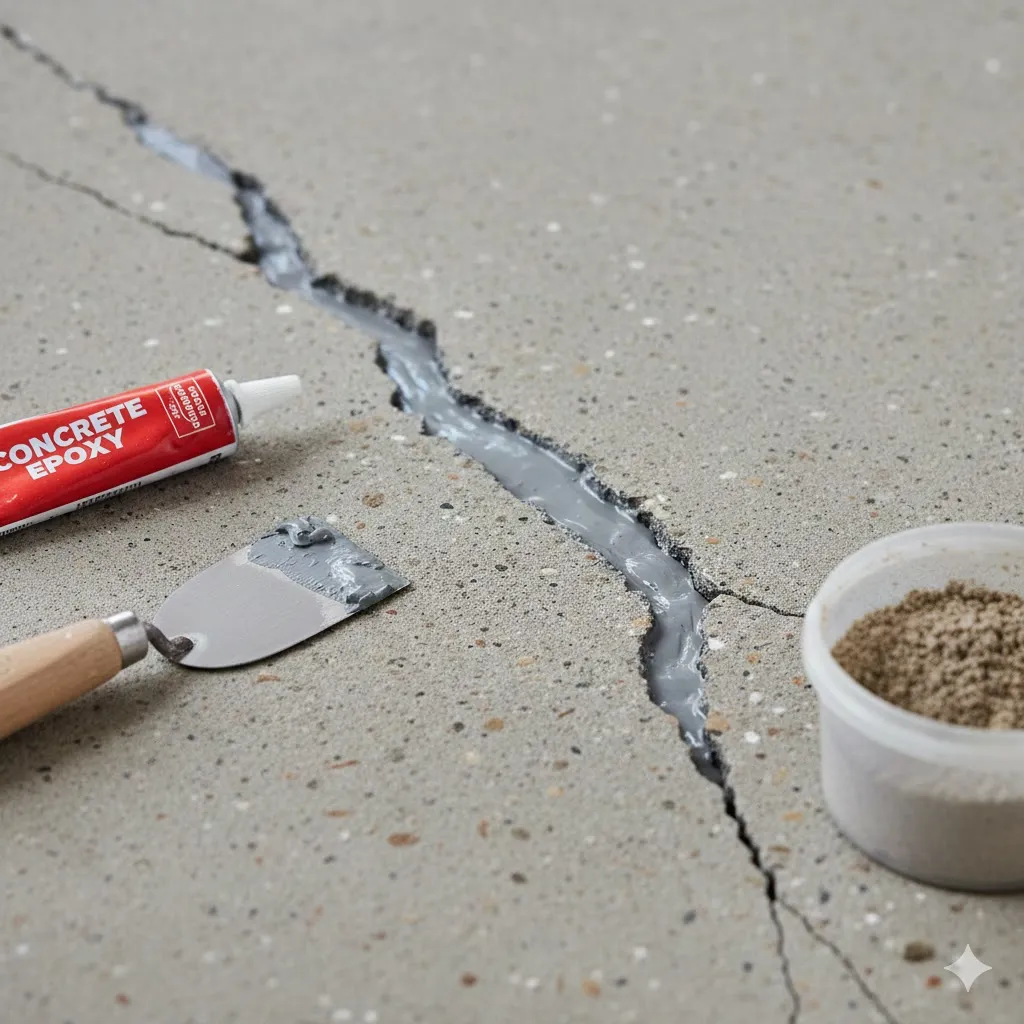
- Tools & materials needed: Crack filler, wire brush, putty knife.
- Cleaning and crack prep: Remove dirt, weeds, and debris.
- Applying crack filler correctly: Squeeze filler into the crack.
- Smoothing and curing: Smooth with a putty knife.
- Drying time before use: Let it cure for 24 hours before driving over it.
How to Fix Large Cracks in a Concrete Driveway Correctly
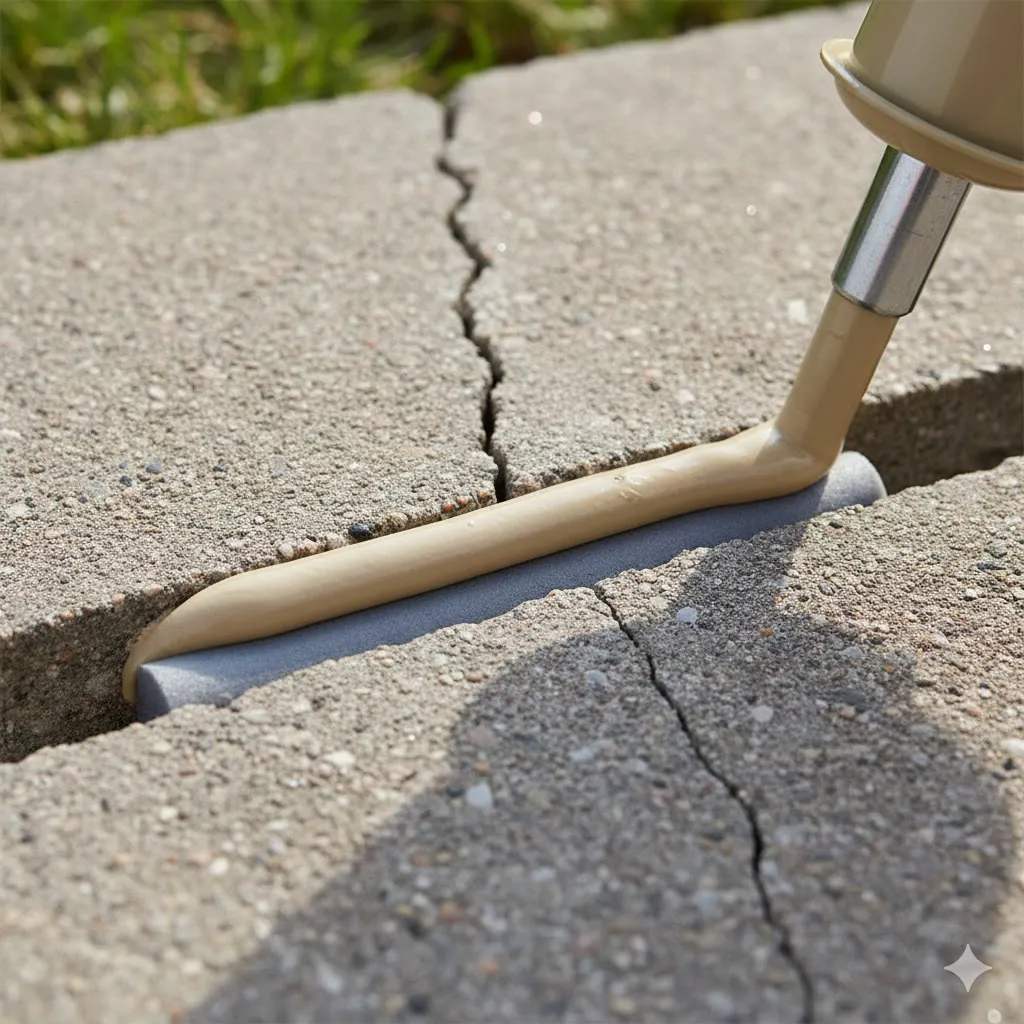
- Widening the crack: Use a chisel to open the crack slightly for better bonding.
- Backer rod installation: Insert foam backer rod for deep cracks.
- Applying polyurethane or epoxy: Fill the crack with sealant.
- Layering and finishing techniques: Apply in layers and smooth out.
- Curing time and traffic readiness: Wait 48 hours before driving.
How to Fix Cracks in Concrete Driveway at Home Depot
Home Depot offers several reliable products:
- Quikrete crack repair options: Affordable and easy to use.
- DAP & Sika concrete crack fillers: Great for small to medium cracks.
- Choosing the right product by crack size: Match filler or sealant to the width of the crack.
- Estimated repair cost: DIY repairs usually cost $20–$100 depending on crack size.
Common Mistakes to Avoid During Concrete Driveway Crack Repair
- Skipping crack cleaning.
- Using cement instead of filler.
- Overfilling or underfilling cracks.
- Ignoring moisture issues.
- Not sealing after repair.
How Long Does Concrete Driveway Crack Repair Last?
- Lifespan by material type: Fillers last 3–5 years, sealants 5–7 years, patches up to 10 years.
- Environmental factors: Freeze–thaw cycles shorten lifespan.
- Maintenance tips: Seal the driveway every 2–3 years to extend repair life.
When to Call a Professional for Concrete Driveway Crack Repair
- Signs of structural failure.
- Widening or shifting cracks.
- Drainage and foundation issues.
- Cost comparison: DIY ($20–$100) vs professional repair ($500+).
How to Prevent Future Cracks in Concrete Driveways
- Sealing the driveway: Protects against water and freeze damage.
- Improving drainage: Prevents soil erosion.
- Weight limits & usage tips: Avoid parking heavy vehicles.
- Seasonal maintenance checklist: Inspect and seal annually.
FAQs About Concrete Driveway Crack Repair
Can concrete driveway cracks be repaired permanently?
Not always. Repairs extend lifespan, but environmental stress can cause new cracks.
Is it okay to put cement over driveway cracks?
No. Cement doesn’t bond well in narrow cracks. Use fillers or sealants instead.
What filler lasts the longest for driveway cracks?
Epoxy and polyurethane sealants usually last the longest.
How much does concrete driveway crack repair cost?
DIY repairs cost $20–$100. Professional repairs can range from $500 to $2,000 depending on severity.
Should I seal my driveway after crack repair?
Yes. Sealing adds protection and extends the life of the repair.
Final Thoughts
Concrete driveways don’t have to be a headache. With the right approach, you can repair cracks, prevent future damage, and keep your driveway looking great for years. At Concrete Verse, we’re here to guide you through every step—whether it’s driveway maintenance or concrete wall crack repair, we’ve got the resources to help you do it right.