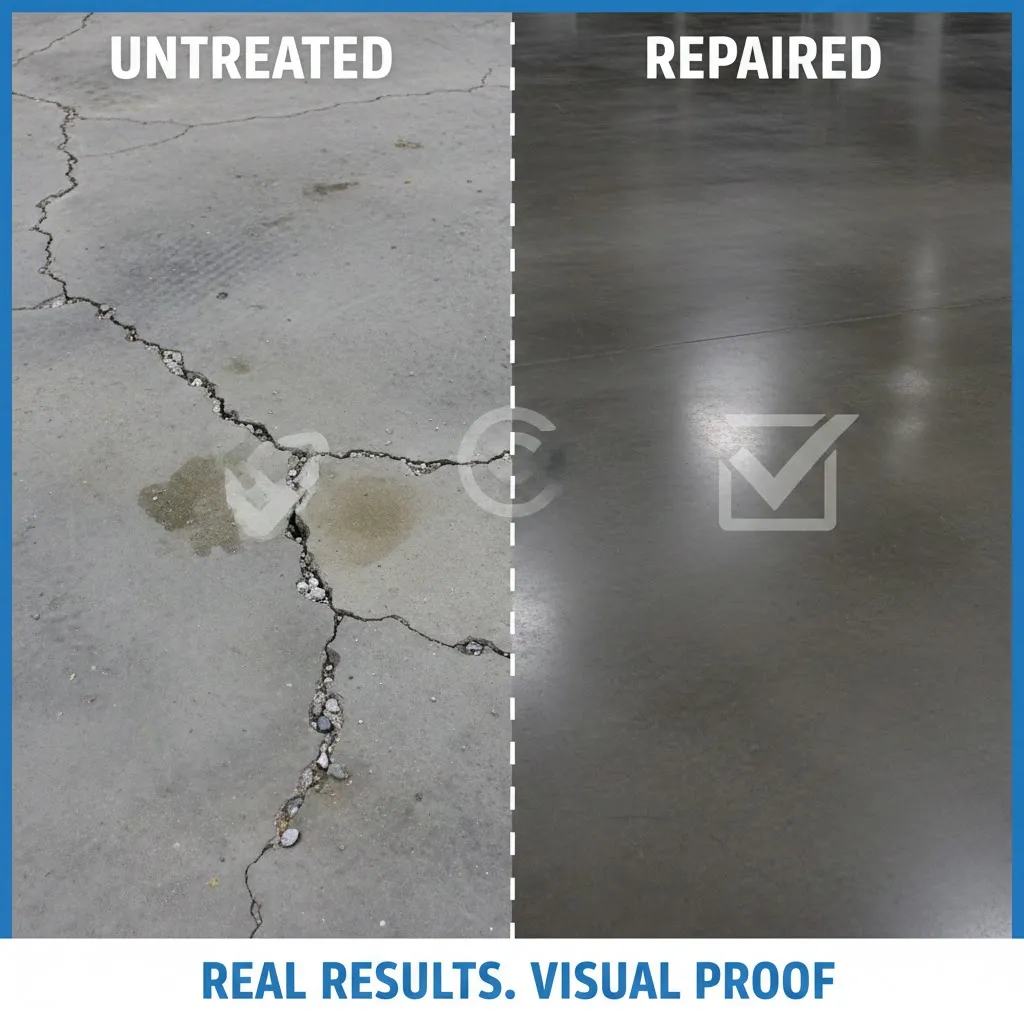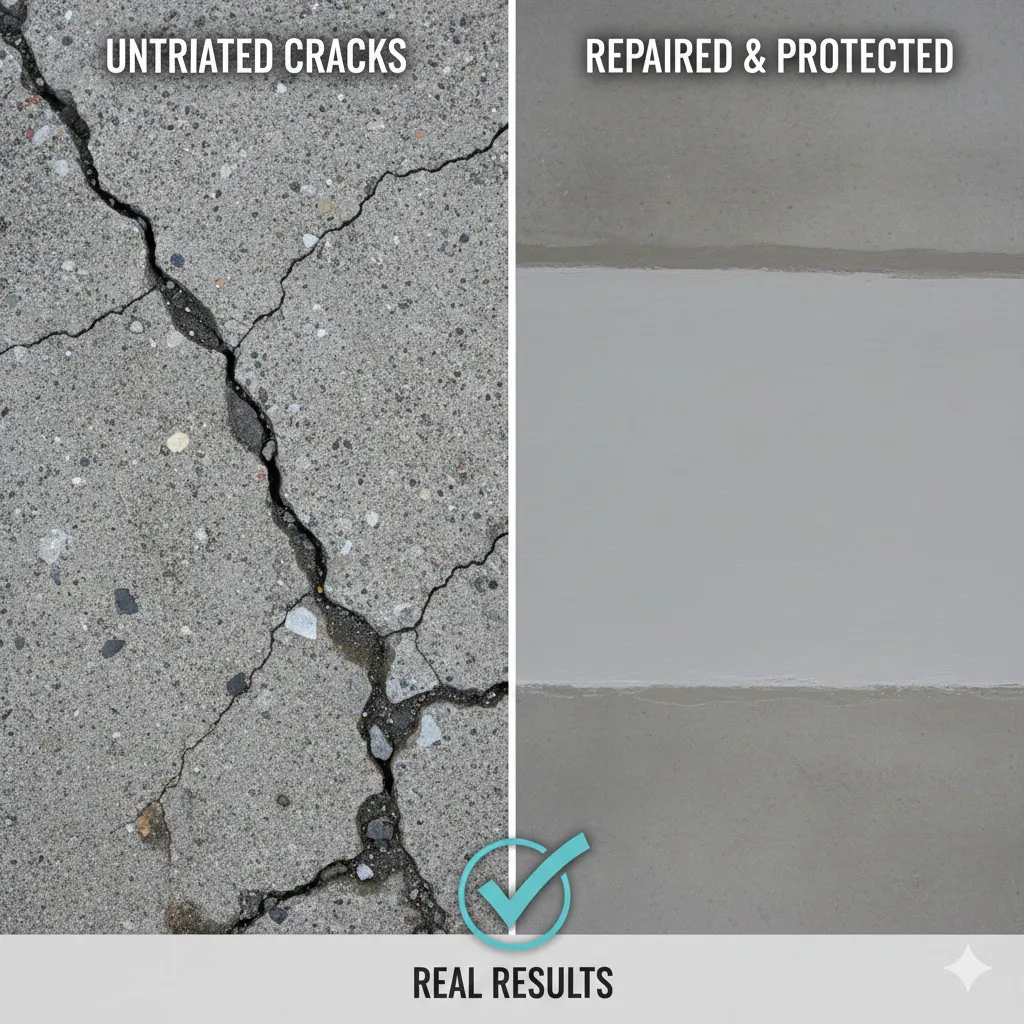
If you’ve ever noticed cracks creeping across your driveway, garage floor, or basement slab, you’re not alone. Homeowners often search for before-and-after concrete crack repair photos because they want proof—real, visible results that show the difference between a damaged slab and a restored one.
The truth is, visuals matter. Promises are easy to make, but seeing the transformation of a cracked slab into a smooth, sealed surface is what convinces people that repair is worth the effort. This guide goes beyond the photos. We’ll talk about why cracks appear, what changes after repair, the durability of different methods, concrete slab crack repair costs, and realistic outcomes you can expect.
And if you’re looking for reliable tools and resources, Concrete Verse is here as your digital companion—helping you calculate costs, compare methods, and make smart repair decisions.
Why Concrete Cracks Appear in the First Place
Concrete is tough, but it’s not invincible. Here are the most common culprits behind slab cracks:
- Shrinkage during curing: As concrete dries, it shrinks. If curing isn’t managed properly, small cracks form.
- Soil movement and settlement: Shifting soil beneath the slab creates uneven support, leading to fractures.
- Temperature changes and freeze–thaw cycles: Expansion in summer and contraction in winter stress the slab.
- Heavy loads and poor installation: Vehicles, machinery, or weak mixes can overload the slab.
Understanding these causes helps you see why cracks aren’t just cosmetic—they’re often signs of deeper issues.
Concrete Crack Repair Before and After: What Changes?
Visual Improvements After Repair
- Crack visibility reduction: Repairs fill gaps, making cracks less noticeable.
- Surface smoothness and uniform finish: Sealants and fillers restore a clean look.
- Color blending and sealing: Resurfacing blends repairs with the original slab.
Structural Improvements You Don’t See
- Restored load-bearing capacity: Repairs strengthen the slab.
- Prevention of water intrusion: Sealing keeps moisture out.
- Slowed crack expansion: Proper repair halts further spreading.
Before and After Examples by Crack Type
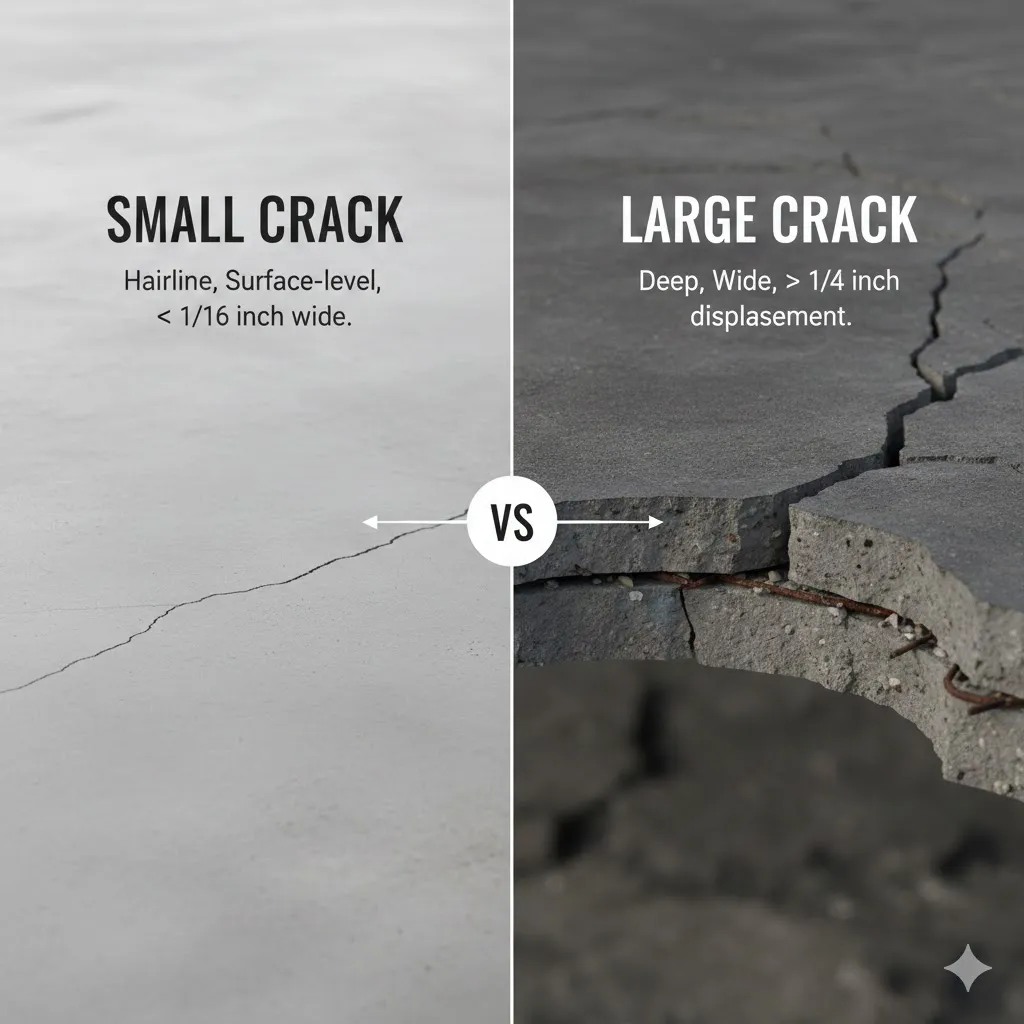
Hairline & Small Cracks (Before vs After)
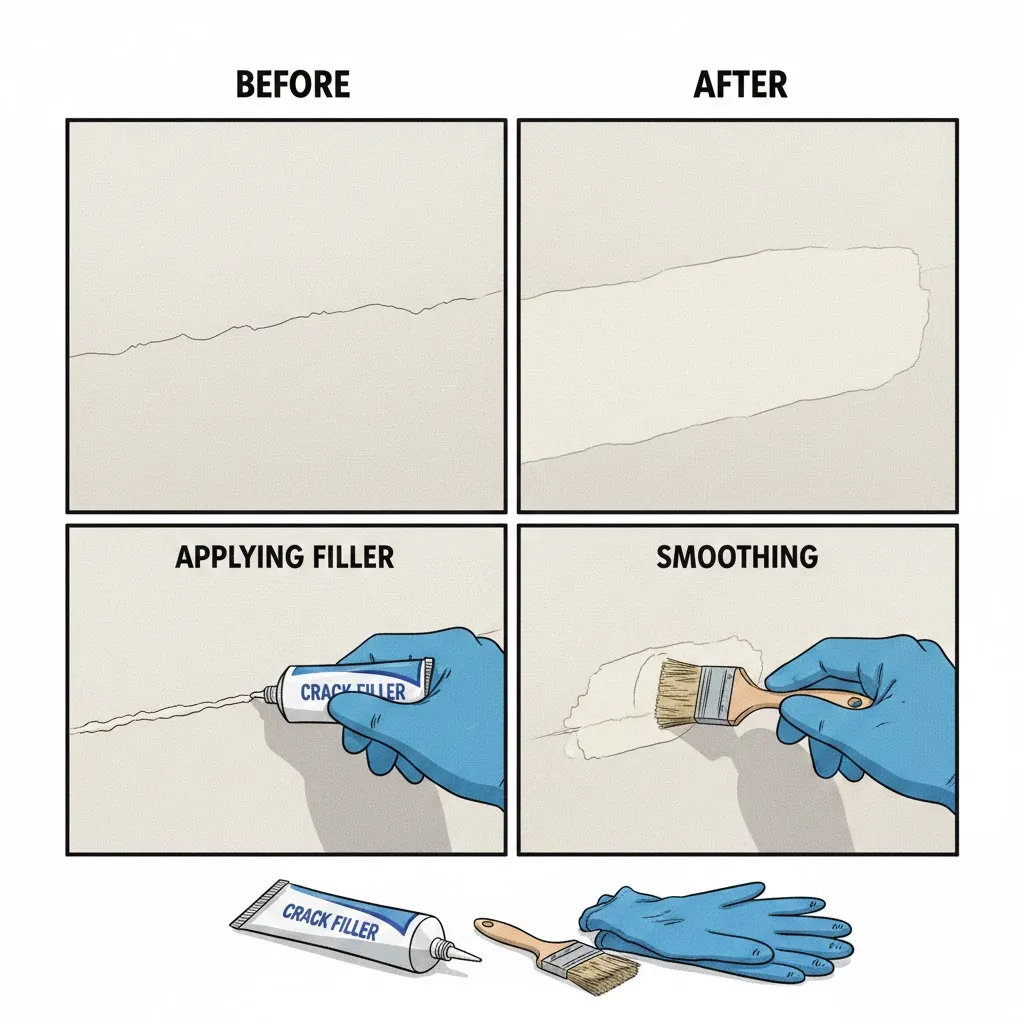
Before: Thin lines across the surface, often cosmetic.
After: Filled with crack filler or sealant, nearly invisible.
Lifespan: 2–5 years with DIY repair, longer with professional sealing.
Medium Cracks (Before vs After)
Before: Wider gaps, sometimes allowing moisture entry.
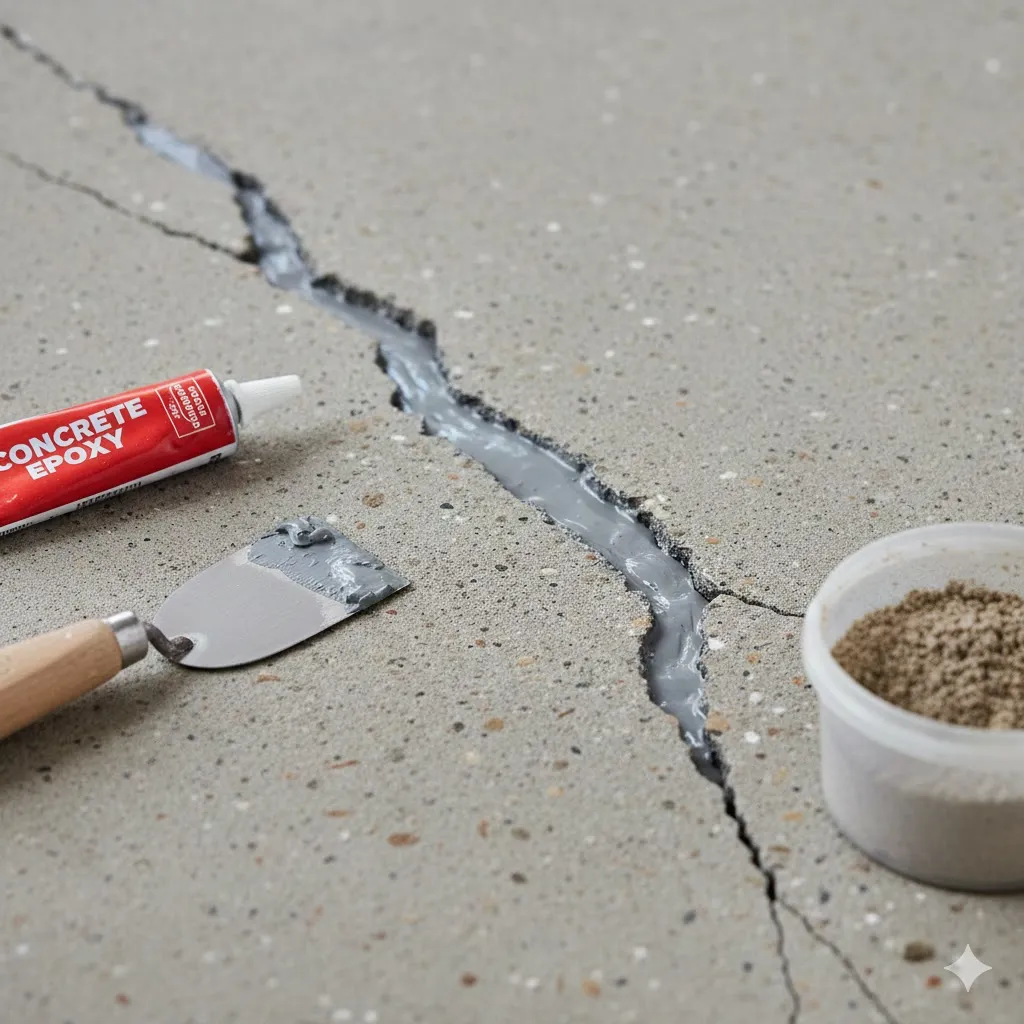
After: Epoxy or polyurethane injection bonds the slab together.
Lifespan: 5–10 years depending on material quality.
Large & Structural Cracks (Before vs After)
Before: Visible displacement, uneven slab sections.
After: Professional repair restores stability, though cosmetic fixes may not hide everything.
Limitations: Severe cracks may require slab replacement.
How to Permanently Fix Cracks in Concrete?
Not all repairs are equal. Temporary patching may look good at first but fail over time. Permanent solutions include:
- Epoxy injection for structural cracks: Creates a strong bond.
- Polyurethane for flexible sealing: Ideal for moisture-prone areas.
- Concrete resurfacing for aesthetics: Restores appearance.
The key is addressing the root cause—whether it’s soil movement, poor drainage, or heavy loads.
Does Concrete Crack Repair Work?
Yes, but success depends on several factors:
- Crack size and depth: Small cracks are easier to fix.
- Repair material quality: Cheap fillers don’t last.
- Proper surface preparation: Cleaning and priming are essential.
Immediate results are visible, but long-term success depends on maintenance and addressing underlying issues.
Concrete Crack Repair Methods & Their Results
DIY Repair Results (Before vs After)
- Materials: Crack filler, sealant, liquid cement.
- Outcomes: Improved appearance, but limited durability.
- Mistakes: Poor cleaning or skipping curing reduces lifespan.
Professional Repair Results (Before vs After)
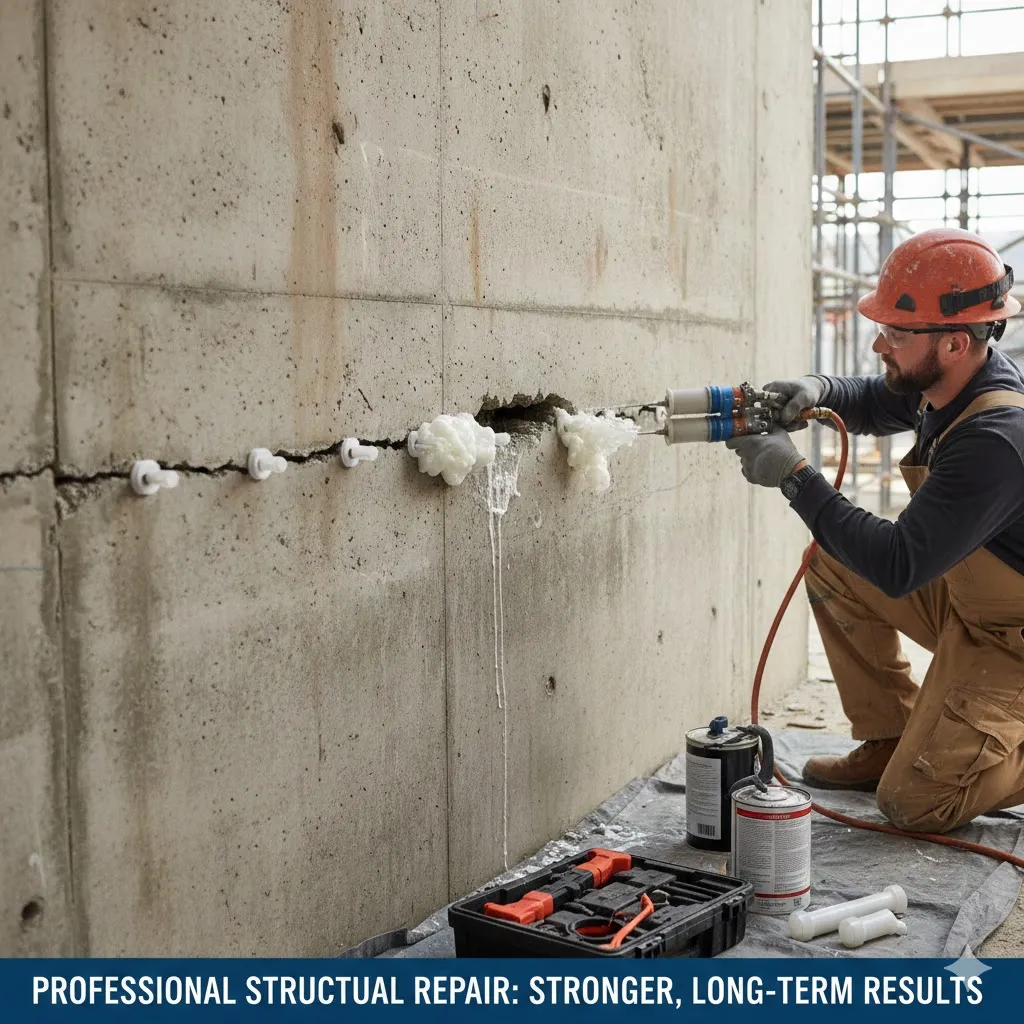
- Tools: Epoxy injection systems, polyurethane foam.
- Outcomes: Stronger, longer-lasting repairs.
- Benefits: Warranties and structural safety.
What Is the Average Price to Repair Concrete Cracks?
DIY Cost Range
- $10–$50 for fillers and sealants.
Professional Repair Cost Breakdown
- $150–$400 for small cracks.
- $500–$2,500 for large structural cracks.
Cost Comparison Table
| Repair Type | DIY Cost | Professional Cost |
| Small cracks | $10–$50 | $150–$400 |
| Medium cracks | $50–$150 | $300–$800 |
| Large cracks | Not recommended | $500–$2,500 |
Factors affecting pricing include crack size, slab thickness, and accessibility.
Can You Pour New Concrete Over Old Cracked Concrete?
Sometimes homeowners wonder if they can just pour new concrete over old slabs.
- Acceptable: Only if cracks are repaired first.
- Risks: Untreated cracks will spread into the new layer.
- Preparation steps: Repair cracks, apply bonding agents, and reinforce properly.
How Long Do Before-and-After Results Last?
- DIY repairs: 2–5 years.
- Professional repairs: 10–20 years.
- Maintenance tips: Seal regularly, manage loads, and inspect annually.
- Signs repairs need attention: Cracks reappearing, water seepage, or uneven slabs.
How to Prevent Cracks After Repair
- Install control joints and expansion gaps.
- Ensure proper drainage solutions.
- Apply sealing and routine inspections.
- Manage heavy loads to reduce stress.
When Before-and-After Results Are NOT Enough
Sometimes repair isn’t enough.
- Signs repair isn’t solving the problem: Cracks keep returning, slab keeps shifting.
- When replacement is better: Severe structural damage or foundation issues.
- Safety considerations: A compromised slab can affect the entire property.
FAQs About Concrete Crack Repair Results
Will repaired cracks reappear?
Yes, if underlying issues aren’t fixed.
Are repaired cracks waterproof?
With proper sealants, yes.
Does repair affect property value?
Absolutely—well-maintained slabs improve curb appeal and resale value.
Conclusion
Concrete cracks are inevitable, but repair transforms damaged slabs into safe, functional surfaces. The before-and-after difference is clear: smoother finishes, stronger structures, and longer-lasting durability.
Whether you’re tackling a DIY project or hiring professionals, knowing the right methods and costs helps set realistic expectations. For guidance, calculators, and expert insights, trust Concrete Verse—your digital resource for all things concrete.