Let’s be honest—seeing cracks in your concrete can feel like spotting wrinkles on your favorite shirt. At first, you might shrug them off, but over time they can become a bigger deal than you expect.
Concrete cracks are incredibly common in homes. Driveways, patios, garage floors, and even foundations aren’t immune. The tricky part is knowing when a crack is just cosmetic (like a hairline mark that doesn’t affect strength) versus when it’s serious and could compromise safety or structure.
In this guide, powered by Concrete Verse—your go-to digital resource for practical home repair knowledge—you’ll learn why cracks happen, how to spot the difference between minor and major issues, and the smartest ways to fix them before they cost you more down the road.
What Is Concrete Crack Repair and Why It Matters
Concrete crack repair is simply the process of filling, sealing, or reinforcing cracks to restore strength and appearance.
- Cracks affect strength, safety, and curb appeal.
- Left untreated, they invite water damage, worsen during freeze-thaw cycles, and can lead to costly structural problems.
- Repairing early means protecting your home’s long-term durability.
Why Do Concrete Cracks Form in Homes?
Concrete isn’t invincible. Here’s why cracks show up:
- Shrinkage during curing: As concrete dries, it shrinks, sometimes leaving hairline cracks.
- Temperature changes: Freeze-thaw cycles expand and contract concrete.
- Soil movement and settling: Shifting ground beneath slabs causes stress.
- Heavy loads or poor installation: Cars, furniture, or improper mixing can accelerate cracking.
Types of Concrete Cracks Homeowners Should Know
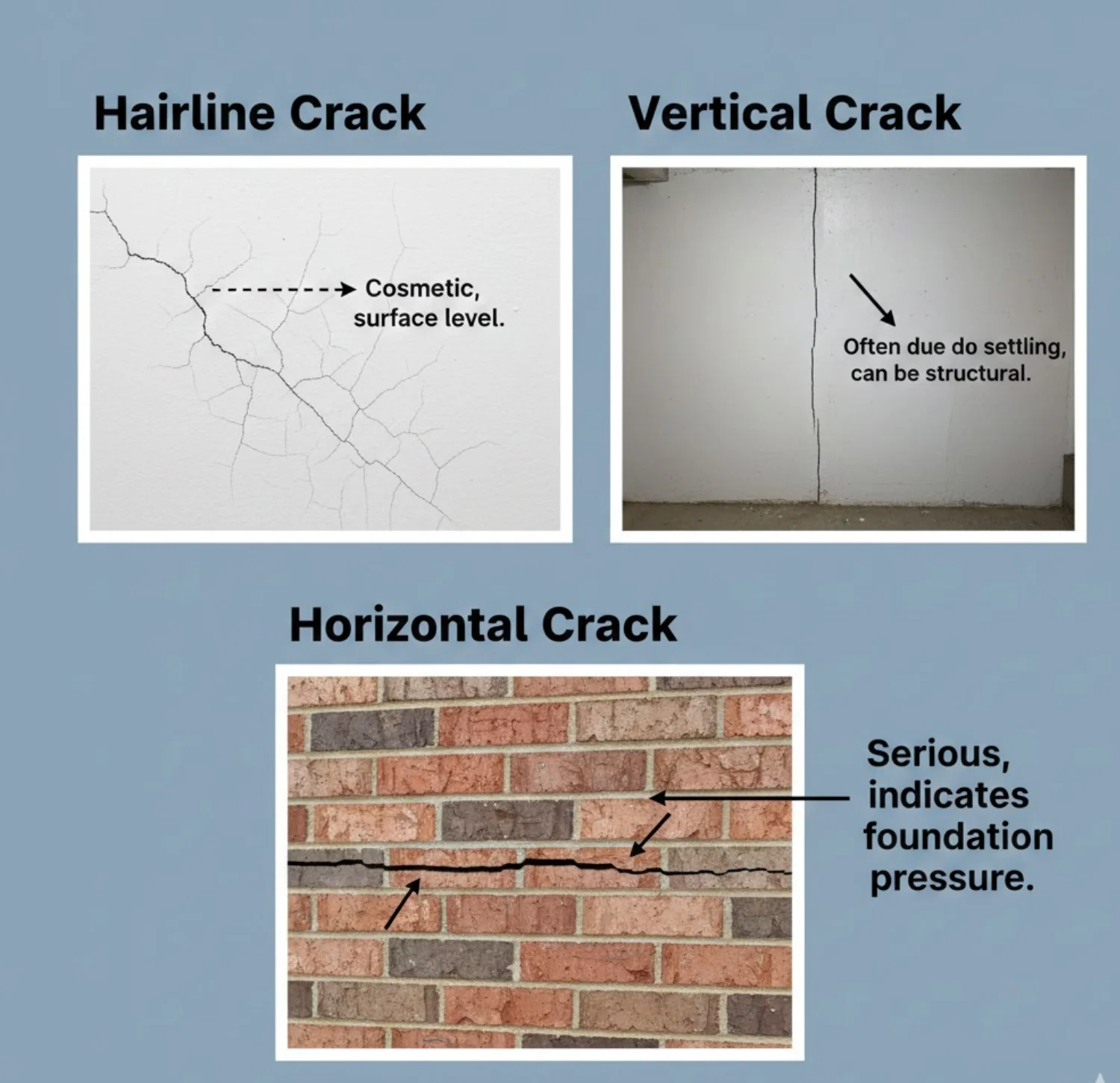
Not all cracks are created equal:
- Hairline cracks: Thin, surface-level, usually cosmetic.
- Vertical vs horizontal cracks: Vertical often less serious; horizontal may signal structural stress.
- Structural vs non-structural cracks: Structural cracks affect safety; non-structural are mostly aesthetic.
- Cracks in slabs, driveways, foundations, and walls: Each location has unique risks and repair needs.
Is It Worth Repairing Concrete Cracks?
Absolutely—here’s why:
- Necessary repairs: Structural cracks should never be ignored.
- Risks of ignoring: Water infiltration, mold, foundation damage.
- Early repairs save money: Small fixes prevent big bills later.
- Replacement vs repair: If cracks are widespread or deep, replacement may be smarter.
What Is the Best Crack Filler for Concrete?
Choosing the right filler depends on:
- Crack width, depth, and location
- Indoor vs outdoor repair needs
- Moisture exposure—driveways and patios need weather-resistant fillers.
What Is the Strongest Crack Filler for Concrete?
Strength isn’t always the only factor, but here’s the breakdown:
- Epoxy fillers: Super strong, great for structural repairs.
- Polyurethane sealants: Flexible, ideal for moving cracks.
- Cement-based fillers: Affordable, good for cosmetic fixes.
Concrete Crack Repair Materials Compared
| Material | Pros | Cons | Best Use Case | Durability |
| Epoxy | Strong, bonds well | Less flexible | Structural cracks | Long-lasting |
| Polyurethane | Flexible, waterproof | Less rigid | Driveways, outdoor slabs | High |
| Cement-based | Affordable, easy | Not as durable | Cosmetic cracks | Moderate |
How to Fix Cracks in a Concrete Slab at Home Depot
Home Depot offers plenty of DIY-friendly products:
- Common products: Epoxy kits, polyurethane sealants, patching compounds.
- Step-by-step selection: Match filler to crack size and location.
- Recommended fillers: Epoxy for large cracks, polyurethane for outdoor slabs.
- Tools you’ll need: Wire brush, caulking gun, trowel, safety gloves.
Step-by-Step Concrete Crack Repair for Homeowners
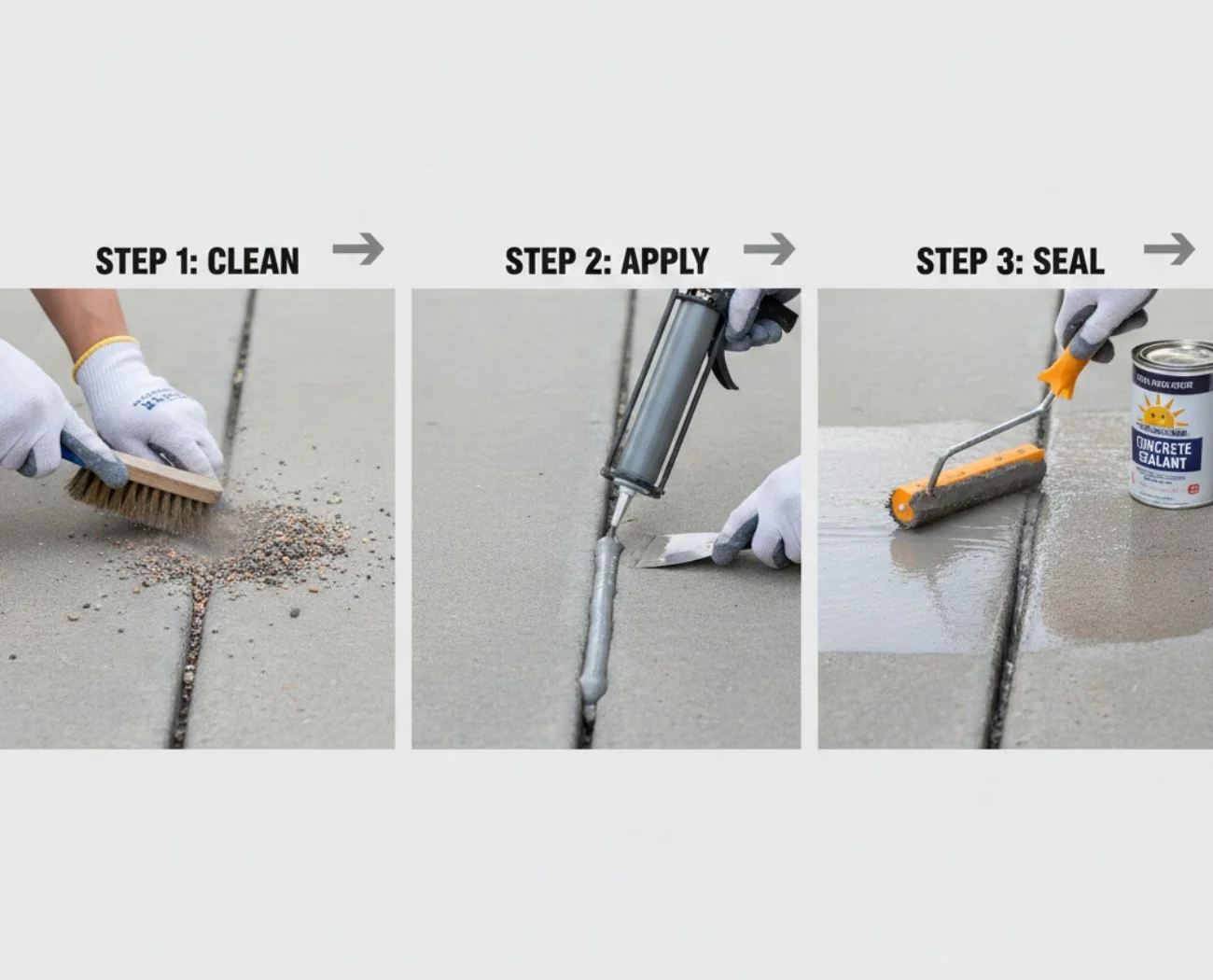
Clean and Prepare the Crack
- Remove debris and loose concrete.
- Dry the crack thoroughly.
Apply the Concrete Crack Filler
- Follow product instructions carefully.
- Avoid overfilling or rushing application.
Cure and Seal the Repair
- Allow proper curing time.
- Seal repaired cracks for extra protection.
DIY Concrete Crack Repair vs Professional Repair
- DIY works well for small, non-structural cracks.
- Call a pro if cracks are wide, horizontal, or in foundations.
- Cost comparison: DIY is cheaper, but pros ensure safety.
- Structural warning signs: Doors sticking, uneven floors, water leaks.
How Much Does Concrete Crack Repair Cost?
- DIY repair: $20–$100 depending on materials.
- Professional repair: $300–$1,000+ depending on severity.
- Cost factors: Crack size, location, labor, and materials.
When planning repairs, homeowners often wonder not just about filler costs but also about the bigger picture—like how many bags of concrete do I need if replacement becomes necessary. Thinking ahead about both repair and replacement helps you budget wisely.
Common Concrete Crack Repair Mistakes to Avoid
- Using the wrong filler.
- Skipping surface preparation.
- Overfilling or underfilling.
- Ignoring underlying causes like drainage or soil movement.
How to Prevent Concrete Cracks in the Future
- Ensure proper drainage around your home.
- Regularly seal concrete surfaces.
- Control moisture and soil movement.
- Maintain slabs and driveways with routine checks.
FAQs About Concrete Crack Repair
Can concrete cracks come back after repair?
Yes, especially if underlying causes aren’t addressed.
How wide of a crack can homeowners repair themselves?
Generally up to ¼ inch; larger cracks may need professional help.
How long does concrete crack repair last?
With proper materials, repairs can last years.
Is concrete crack repair waterproof?
Polyurethane and epoxy fillers often provide waterproof protection.
Conclusion
Concrete cracks don’t have to be a nightmare. With the right knowledge, tools, and timing, you can fix them before they spiral into bigger issues.
Key takeaways:
- Choose the right filler for your crack type.
- Fix cracks early to save money and stress.
- Use Concrete Verse as your digital resource for practical, step-by-step guidance.