Concrete is one of the toughest materials you’ll ever face in DIY projects. Whether you’re mounting shelves, installing anchors, or setting up fixtures, knowing how to drill into concrete properly can save you from cracked walls, broken drill bits, and wasted effort. Unlike wood or drywall, concrete demands specialized tools, techniques, and patience.
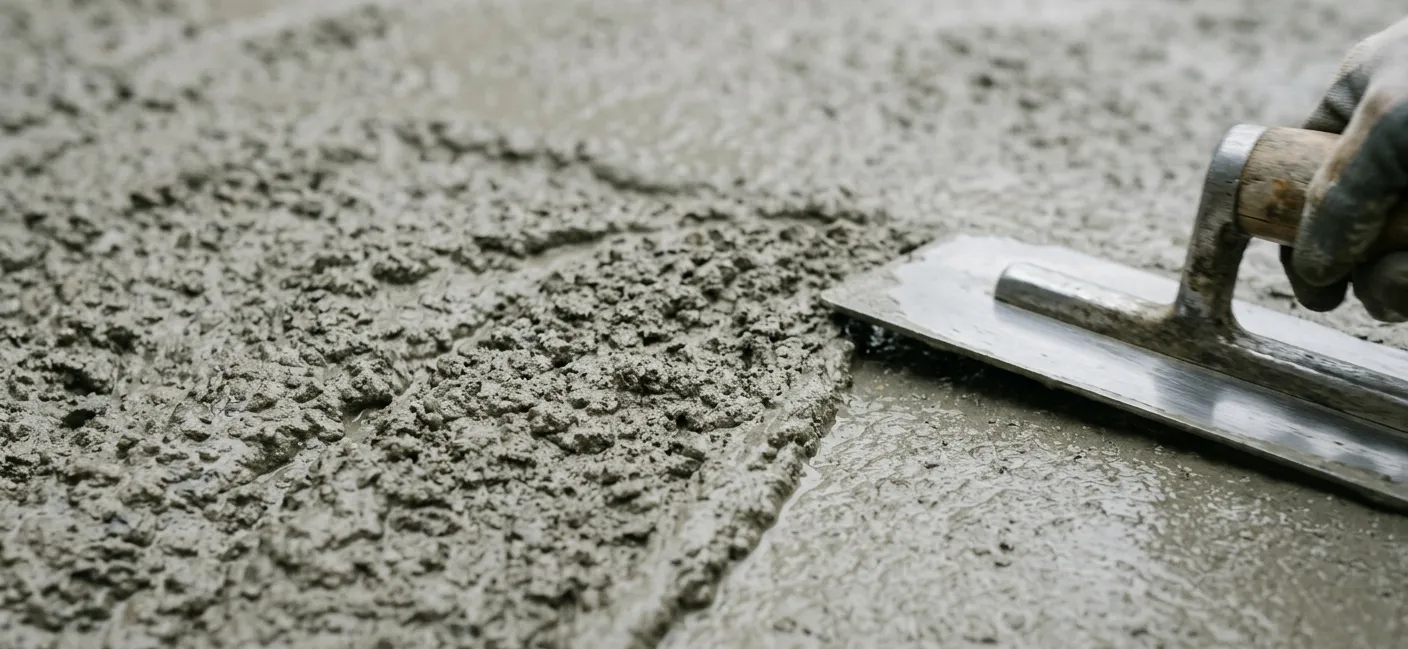
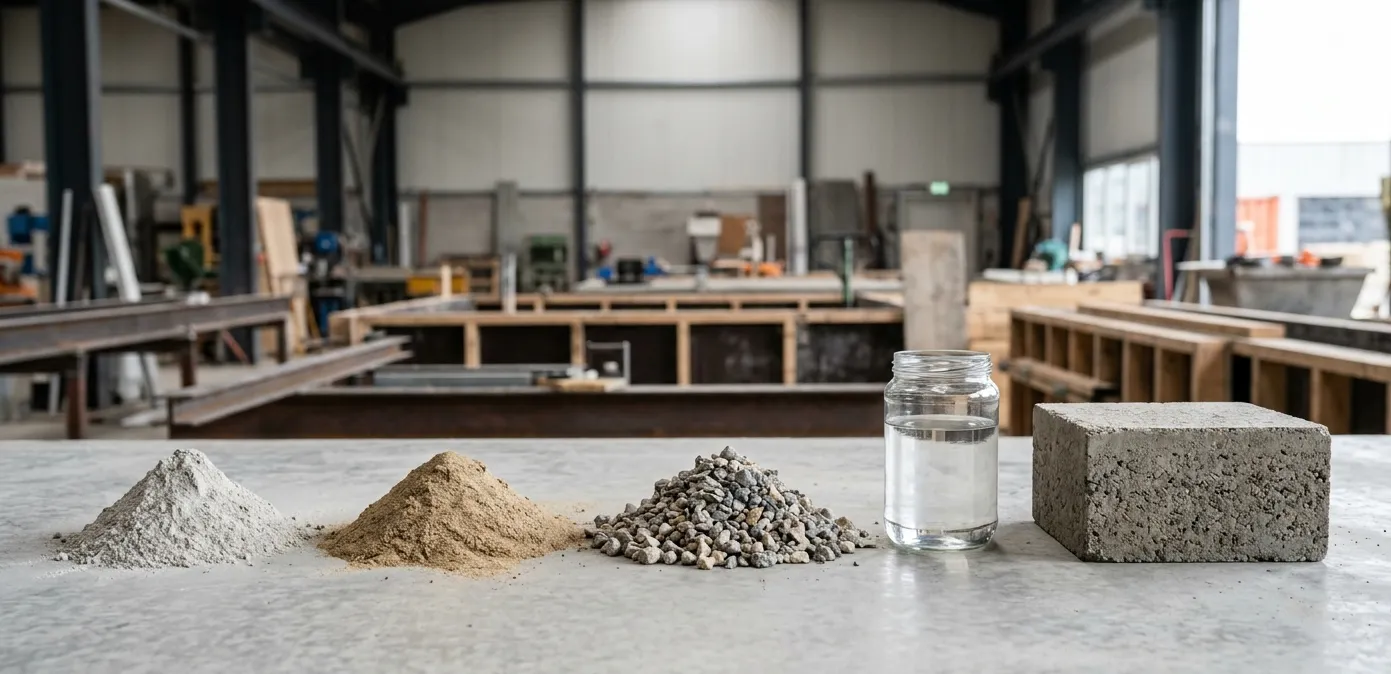
If you’re wondering what is concrete made of, it’s essentially a mix of cement, water, sand, and gravel or crushed stone. This dense composition is exactly why drilling requires more preparation compared to softer materials.
Many beginners make mistakes—using the wrong drill, skipping hammer mode, or forcing the bit too hard. These errors often lead to damaged surfaces or worn-out equipment.
In this guide, you’ll learn everything you need: the right tools, the best drill bits, step-by-step techniques, common mistakes to avoid, and answers to frequently asked questions. And if you want more digital resources, Concrete Verse offers detailed guides, tutorials, and troubleshooting tips for DIY concrete projects.
What Tools Do You Need to Drill Into Concrete?
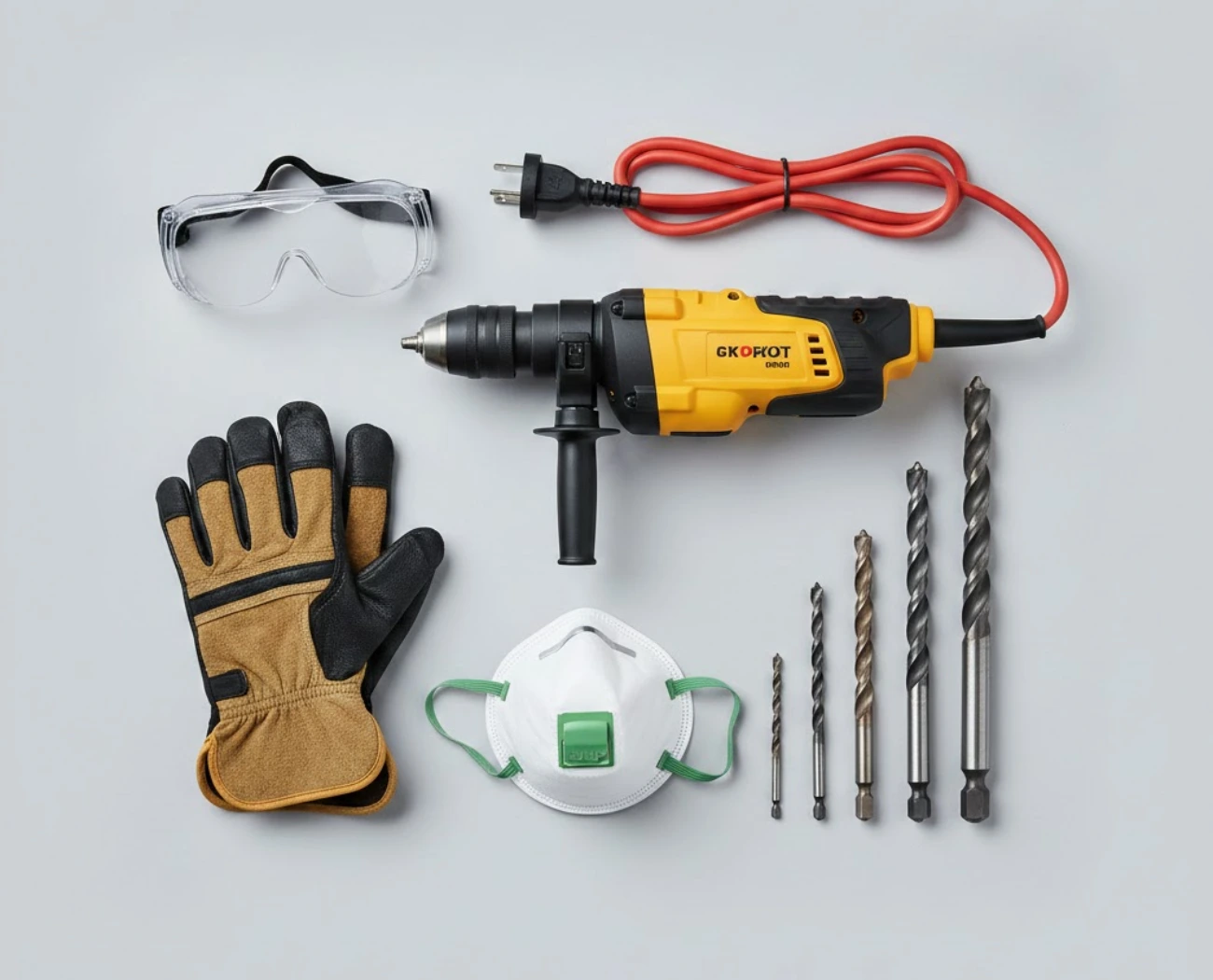
- Hammer drill vs regular drill: A hammer drill is the gold standard for concrete. It combines rotation with a hammering action that chips away at the dense surface. A regular drill may work for softer masonry but struggles with reinforced concrete.
- Variable speed and hammer mode: Controlling speed prevents overheating and ensures precision. Hammer mode is essential for breaking through tough aggregate.
- Safety gear: Always wear goggles, gloves, and a dust mask. Concrete dust is harmful to your lungs and eyes.
- Optional tools: A vacuum to reduce dust, a spray bottle to cool the bit, and a depth stop to ensure consistent hole depth.
What Is the Best Drill Bit for Drilling Concrete?
- Masonry drill bits explained: These are designed with a tungsten carbide tip that withstands the hardness of concrete.
- Carbide-tipped vs standard masonry bits: Carbide-tipped bits last longer and cut cleaner, while standard bits wear out faster.
- Best drill bit sizes for common projects: For wall plugs, 6–8 mm bits are common. For heavy-duty anchors, 10–12 mm bits are ideal.
- When to replace a worn-out bit: If drilling feels slow, uneven, or produces excessive dust, it’s time to replace the bit.
Step-by-Step: How to Drill Into Concrete the Right Way
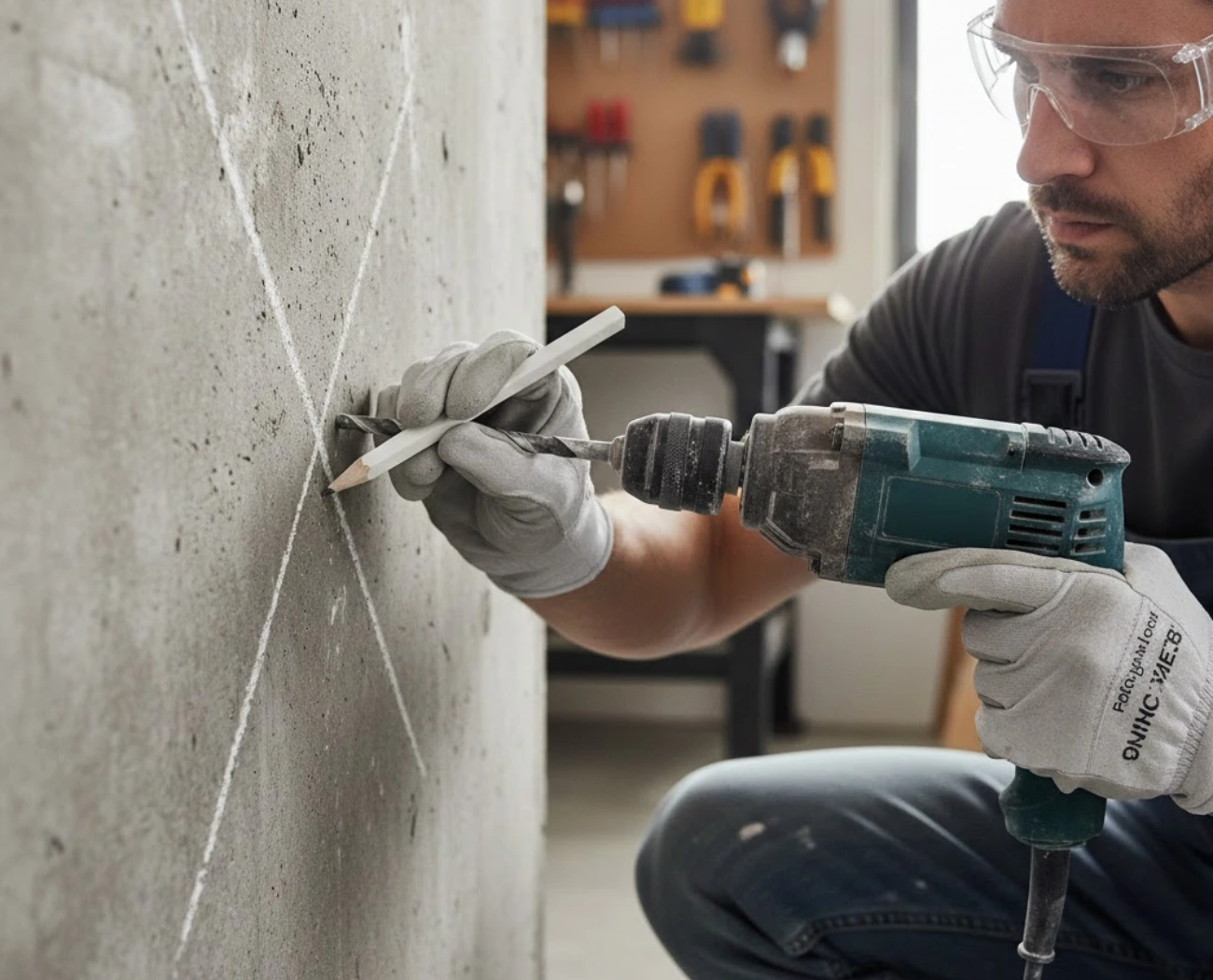
- Mark the drilling point correctly: Use a pencil or chalk to mark the exact spot.
- Choose the right drill speed: Start slow to prevent slipping, then increase speed gradually.
- Use hammer action properly: Engage hammer mode once the bit is steady.
- How deep to drill for anchors and screws: Drill 5–10 mm deeper than the anchor length.
- Clean the hole for better grip: Use compressed air or a vacuum to remove dust.
Why Won’t My Drill Bit Go Through Concrete?
- Using the wrong drill or bit: A regular drill or wood bit won’t penetrate concrete.
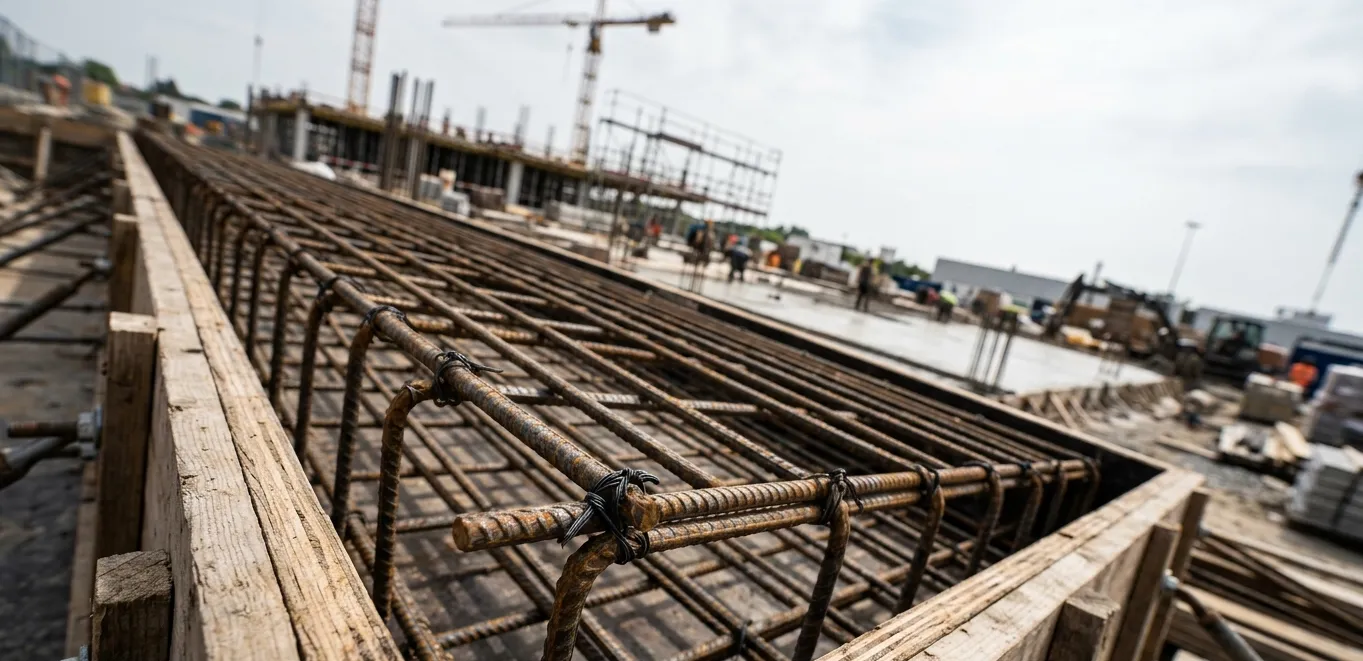
- Hitting rebar or aggregate: Reinforced concrete contains steel bars that can block progress.
- Drill speed too high or too low: Incorrect speed causes overheating or poor cutting.
- Overheating the drill bit: Continuous drilling without pauses burns the tip.
- How to fix the problem step by step: Stop drilling, cool the bit, check for rebar, and switch to a stronger carbide bit.
Will Concrete Crack If You Drill Into It?
- Factors that cause concrete cracking: Excessive force, drilling too close to edges, or using oversized bits.
- Edge distance and spacing rules: Maintain at least 2 inches from edges and space holes evenly.
- Correct drill bit size to prevent cracks: Match the bit size to the anchor or plug.
- Drilling into old vs new concrete: Older concrete may be brittle, while new concrete is denser and harder.
Can I Screw Directly Into Concrete?
- Why screws alone don’t hold in concrete: Concrete lacks the flexibility of wood; screws need anchors.
- When concrete screws (Tapcon) work: Specially designed screws can grip directly into pre-drilled holes.
- Role of wall plugs and anchors: Plastic or metal plugs expand inside the hole, securing the screw.
- Proper hole size for concrete screws: Drill slightly smaller than the screw diameter for maximum grip.
Best Techniques for Clean and Accurate Concrete Drilling
- Starting with a pilot hole: A small starter hole guides the larger bit.
- Using steady pressure (not force): Let the drill do the work; forcing it risks cracks.
- Keeping the drill straight: A crooked hole weakens anchor strength.
- Cooling the bit to avoid burnout: Spray water or pause drilling to cool.
- Reducing dust while drilling: Use a vacuum attachment or drill outdoors when possible.
Common Mistakes to Avoid When Drilling Into Concrete
- Skipping hammer mode: Without hammer action, drilling is slow and ineffective.
- Using dull or cheap drill bits: They wear out quickly and damage the surface.
- Drilling too close to edges: This causes cracks and weakens the structure.
- Not cleaning dust from the hole: Dust prevents anchors from gripping properly.
- Rushing the process: Patience ensures accuracy and safety.
Drilling Into Concrete Walls vs Floors vs Slabs
- Differences in density and hardness: Floors and slabs are often thicker and reinforced.
- Adjusting speed and pressure: Use slower speeds for dense slabs.
- Extra precautions for vertical surfaces: Keep a firm grip to prevent slipping.
- When to stop and reassess: If progress stalls, check for rebar or switch bits.
Safety Tips Before You Drill Into Concrete
- Checking for electrical wiring or pipes: Use a detector to avoid hazards.
- Proper body posture and grip: Stand balanced and hold the drill firmly.
- Managing noise and vibration: Wear ear protection and take breaks.
- Protecting eyes and lungs from dust: Goggles and masks are non-negotiable.
When Should You Avoid Drilling Into Concrete?
- Structural beams and load-bearing walls: Drilling here can compromise safety.
- Post-tension slabs: These contain tensioned cables that are dangerous to hit.
- Cracked or damaged concrete surfaces: Drilling worsens existing damage.
- Alternatives to drilling: Use adhesive anchors or surface-mounted fixtures.
Frequently Asked Questions About Drilling Into Concrete (FAQs)
Do I need a hammer drill to drill into concrete?
Yes, a hammer drill is strongly recommended. Regular drills lack the impact force needed.
How deep should I drill into concrete for anchors?
Drill slightly deeper than the anchor length, usually 5–10 mm extra.
How long does it take to drill into concrete?
Depending on thickness, anywhere from 30 seconds to several minutes per hole.
Can I drill into concrete with a cordless drill?
Yes, but only if it has hammer mode and sufficient power. Otherwise, progress will be slow.
What size drill bit should I use for concrete screws?
Match the bit size to the screw manufacturer’s instructions—usually slightly smaller than the screw diameter.
Is it safe to drill into concrete walls in apartments?
Yes, but check for wiring, plumbing, and structural restrictions before drilling.
Conclusion
Drilling into concrete isn’t just about brute force—it’s about preparation, patience, and the right tools. By using a hammer drill, carbide-tipped masonry bits, and proper techniques, you can achieve clean, accurate holes without damaging your walls or equipment.
Remember: safety comes first. Always wear protective gear, check for hidden hazards, and take your time.
For more detailed tutorials, troubleshooting tips, and DIY resources, explore Concrete Verse, your trusted digital companion for concrete projects.